
Meta Description: Ever wonder how real Amazonian botany and high-stakes sci-fi collide? Dive into our behind-the-scenes research log on how The Rainsavers blends science fact with pulse-pounding action!
Hey Rainsavers fans! Welcome back to another casual deep-dive from our virtual writing desk. If you’ve ever sped through our six-book epic: from Tom "Primal" Swift’s incredible awakening deep in the Amazon to high-stakes confrontations across Antarctica, lunar bases, and the Giza Pyramid: you might have wondered: Where does the real science end and the wild sci-fi action begin?
Grab your favorite caffeinated beverage and lean in. Today, we’re cracking open the actual production logs and field notebooks used to build the universe of The Rainsavers.
1. Starting with Real Amazonian Ecosystems

Before we introduce rogue corporations like Bossman’s syndicate, genetically enhanced bioweapons, or ancient artifacts tied to the mystical Spirit Tree, we always anchor our stories in real-world biology and ecology.
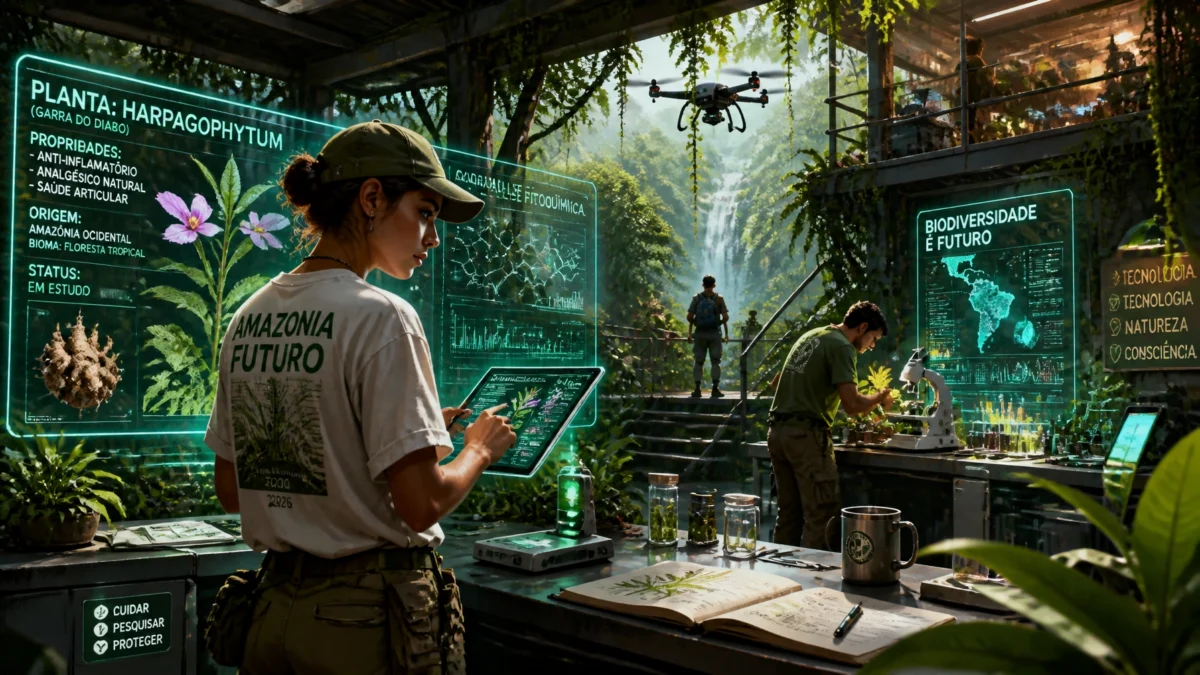
Our research logs start with actual botanical studies from the Amazon basin. Real rainforest plants possess astonishing chemical defenses, bioluminescent fungi properties, and complex root signaling networks that mimic neural pathways. In our universe, we take these genuine ecological phenomena and ask: What if a corporation tried to weaponize this natural intelligence? That’s how real science seeds our fiction.
2. Bridging Botany and Biotechnology

Take characters like Dr. Mubari or the genetic mutations tied to Primal’s DNA. While superhuman strength and cellular restructuring sound straight out of classic pulp adventure, the underlying methodology draws inspiration from real genetic research, CRISPR frameworks, and cellular biology.
We consult actual scientific papers on cellular regeneration, then give it a slight speculative boost. The golden rule in our writers' room? If the baseline science feels authentic, the bigger sci-fi leaps: like tracking down lost German WWII technology or uncovering ancient red mercury crystals: feel grounded rather than random. Readers can suspend disbelief much easier when the foundation is rock solid.
3. Engineering Eco-Tech and Action Gear

When Jungle Dart, Sunbyte, and Alpha the orangutan go on tactical maneuvers, their gear isn't just magic: it's inspired by biomimicry.
We look at how rainforest canopies deflect torrential rainfall, how spider silk absorbs kinetic shock, and how renewable energy systems function in extreme humidity. Translating those concepts into high-stakes espionage tech gives our action sequences an extra layer of grit. When characters are dodging bioweapons or outmaneuvering corporate mercenaries under a canopy of green, every gadget has a logical (if highly speculative) reason for existing.
4. Scaling from the Jungle to Global Espionage

What starts as a localized fight for conservation in the Amazon quickly spirals into a global race spanning Antarctica, forgotten moonbases, and ancient monuments. Keeping that scope believable requires a strict production rule: consequences matter.
When tech goes wrong or ancient energy sources are mishandled, the environment reacts. By keeping our eyes on real environmental stakes while pushing the accelerator on sci-fi espionage, every explosion, chase, and showdown feels urgent and earned.
Ready to Dive into the Adventure?
Blending science fact with over-the-top sci-fi action is what makes Tom Swift, Alpha, and the rest of the team's journey so unforgettable. Whether you're tracking down secrets hidden in historical German archives or racing to save the Spirit Tree from Mortalis, the adventure never stops.
Curious to see how it all kicks off? Read Book One now and experience the pulse-pounding start of the ultimate eco-thriller saga!
