Meta description: September 2026 eco-action check-in from The Rainsavers: meet the team, explore conservation tech, and discover simple ways to help protect rainforests.
September has arrived, which means it is time for a quick rainforest check-in from The Rainsavers.
The mission remains simple: protect the living world before someone tries to turn it into a business plan with flames, bulldozers, and suspiciously large spreadsheets.
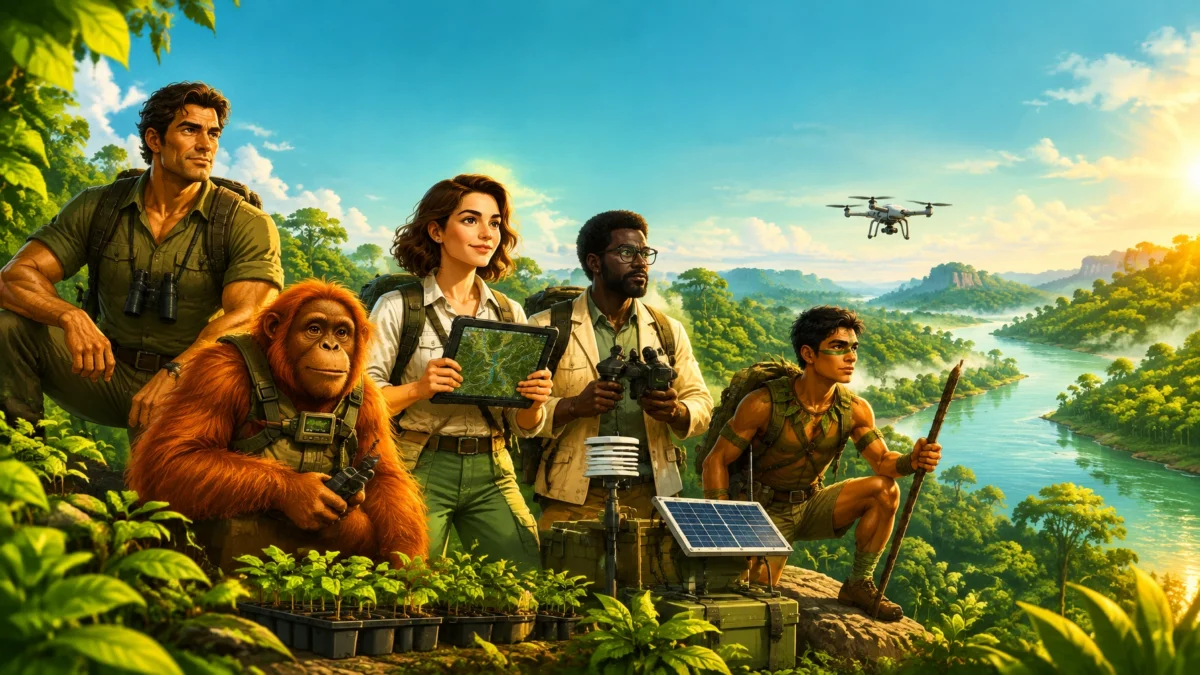
In the Rainsavers universe, environmental protection is never just background scenery. The Amazon is part of the story, part of the team, and part of the future everyone is fighting to protect. Across the six-book adventure series, Primal, Alpha, Sunbyte, Dr. Mubari, and Jungle Dart face deforestation, dangerous technology, corporate greed, and threats that stretch far beyond the canopy.
But the team’s biggest lesson is surprisingly practical:
Saving the planet takes strength, science, technology, local knowledge, and people willing to keep showing up.
The rainforest is more than a setting
Rainforests help support biodiversity, regulate water cycles, store carbon, and provide homes and livelihoods for communities around the world. When forests are cleared or damaged, the effects do not stay neatly inside one border.
Deforestation can increase habitat loss, disrupt local weather patterns, release stored carbon, and make ecosystems more vulnerable to drought and fire. Climate change adds more pressure through rising temperatures and shifting rainfall.
That is why The Rainsavers treats conservation as an action story rather than a sad-news montage.
The team is constantly asking:
- Who is being affected?
- What information is missing?
- Which technology can help?
- Who should be leading the solution?
- How do we protect the forest without treating it like a machine?
Those questions give the series its eco-adventure heartbeat.
Character spotlight: Primal brings the strength
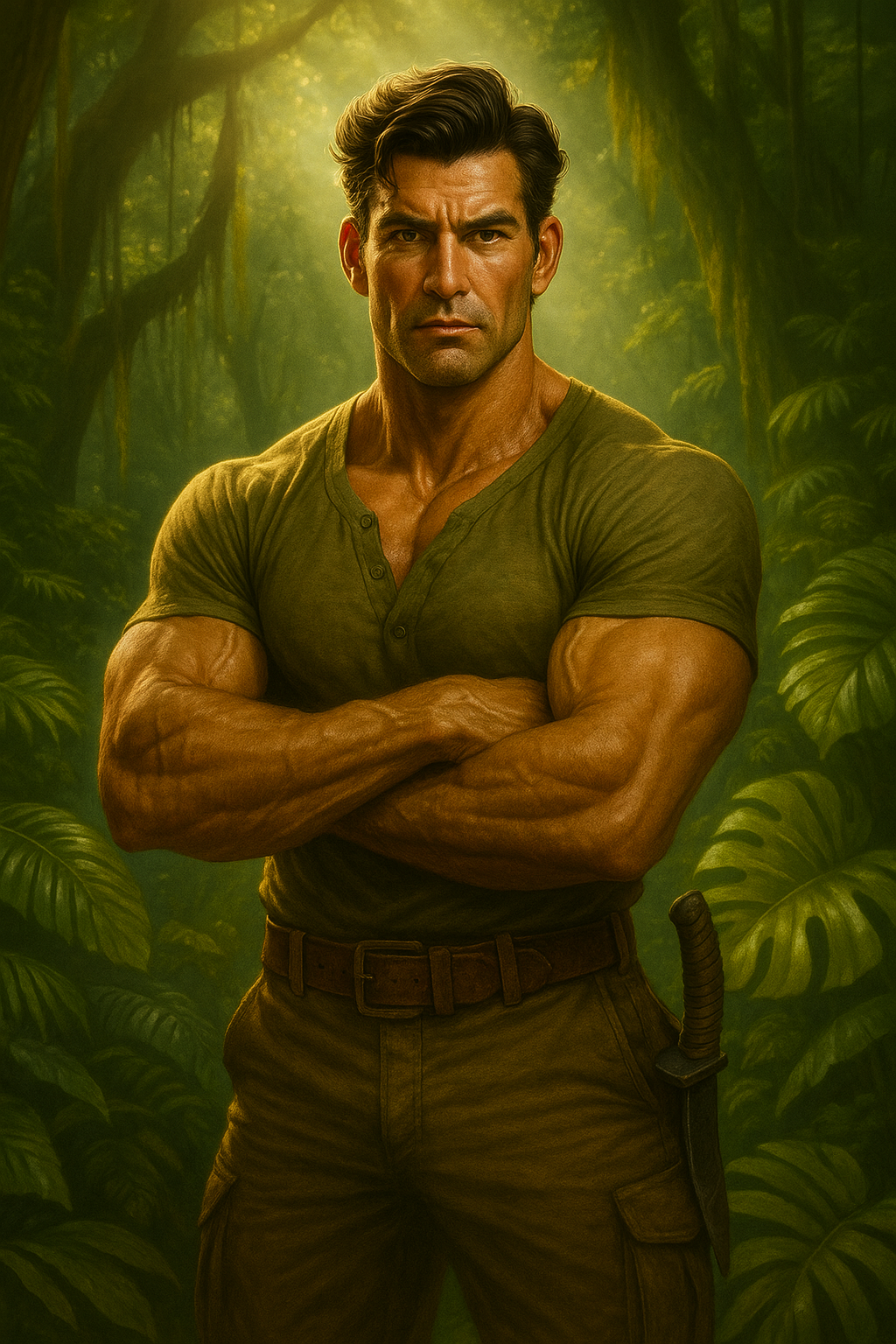
Primal is the team’s powerhouse, but his role is bigger than simply moving heavy objects or surviving impossible jungle situations.
Tom Swift represents the physical courage required to defend vulnerable places and people. He steps forward when a community is threatened, when a dangerous operation needs to be stopped, or when the rest of the team needs time to solve the larger problem.
His environmental lesson is straightforward: protection requires action.
That does not mean everyone needs superhuman strength. In real life, action might mean supporting forest-protection organizations, asking companies where their materials come from, voting for stronger environmental policies, or helping neighbors build more sustainable habits.
Primal would probably recommend carrying the heavy recycling bin.
Character spotlight: Alpha reminds us who else lives here

Alpha is clever, curious, and impossible to ignore. As an intelligent orangutan and a key member of the team, he makes one point especially clear: wildlife is not scenery.
Forests are communities filled with relationships between animals, plants, fungi, rivers, soil, and people. When one part is damaged, the consequences can spread.
Alpha’s presence also adds an important emotional question to the series:
What does conservation look like when we stop placing humans at the center of every decision?
Protecting habitats means protecting the creatures that depend on them. It also means respecting the knowledge of Indigenous and local communities who have cared for forest territories for generations.
In other words, Alpha is not just the team’s “Orangenius.” He is also the squad’s furry reminder that biodiversity deserves a seat at the planning table.
Possibly a very small chair.
Character spotlight: Sunbyte turns data into action

Sunbyte understands that information can be a form of protection.
In the field, she uses technology to uncover hidden threats, track suspicious activity, communicate with the team, and expose systems that allow environmental damage to continue unnoticed.
That fictional toolkit connects with real conservation tools being used around the world, including:
- Satellite imagery to monitor forest loss
- Drones for mapping and restoration work
- Acoustic sensors that can detect unusual sounds, including machinery
- Digital maps that show changes in land, rivers, and vegetation
- Data systems that help researchers understand wildlife movement
Technology is not automatically good or bad. It depends on who controls it and what they use it for.
A satellite map can help protect a forest: or help someone find the next place to clear. Sunbyte’s job is to make sure information serves transparency, accountability, and the living world.
Her September reminder: before sharing a dramatic environmental claim online, check the source. The planet does not need more misinformation wearing a leaf emoji.
Character spotlight: Dr. Mubari asks the ethical questions
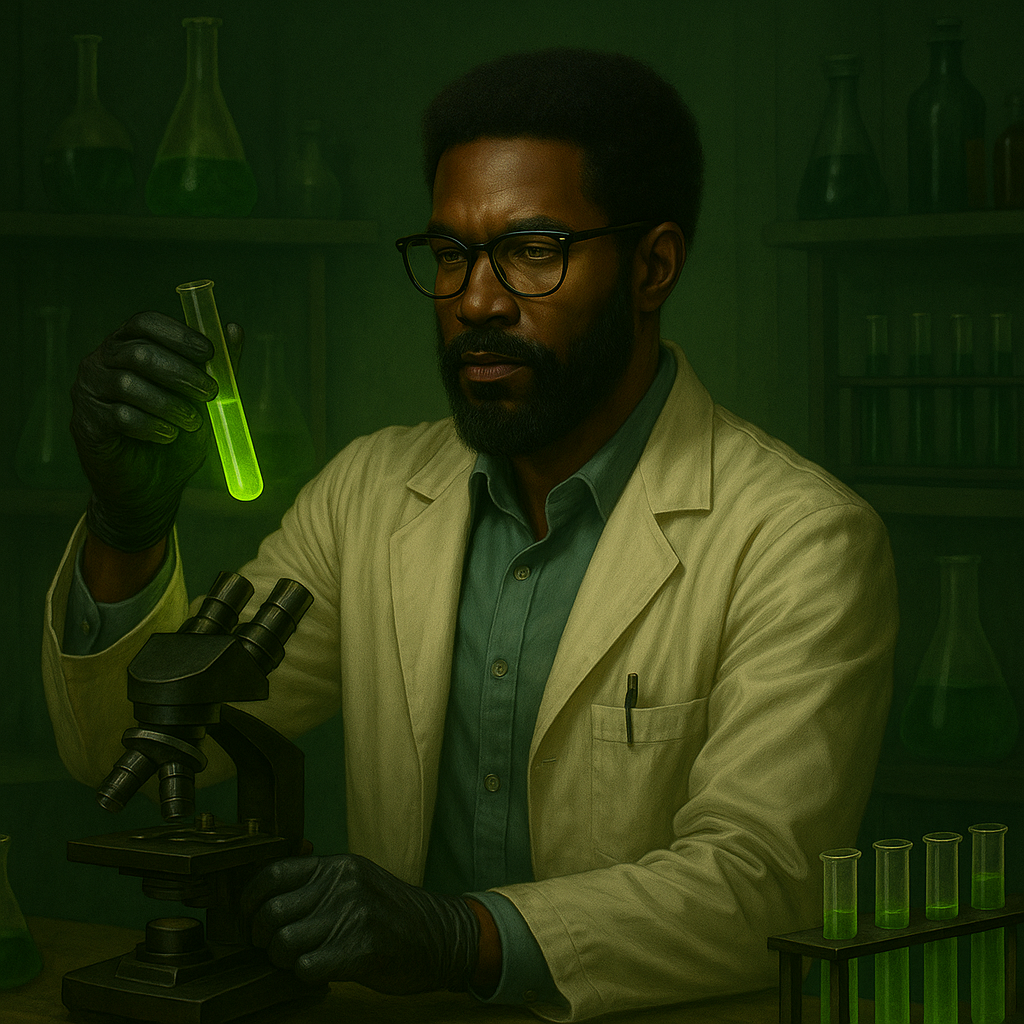
Dr. Mubari is the team’s scientific and ethical anchor.
His work connects biodiversity, natural cures, genetics, and responsible research. He understands that scientific breakthroughs can help people, but he also knows that every experiment has consequences.
That makes him especially important in a story filled with experimental technology and mysterious energy sources. Dr. Mubari keeps asking the question that villains usually skip:
What happens next?
That question matters in real-world climate and conservation work, too. A project may sound innovative, but responsible solutions should consider:
- Whether local communities are involved
- Whether wildlife and habitats are protected
- Whether the benefits are shared fairly
- Whether the solution creates new environmental risks
- Whether the results can be measured honestly
Innovation is exciting. Accountability is what keeps it from becoming a plot twist.
Character spotlight: Jungle Dart knows the forest is home
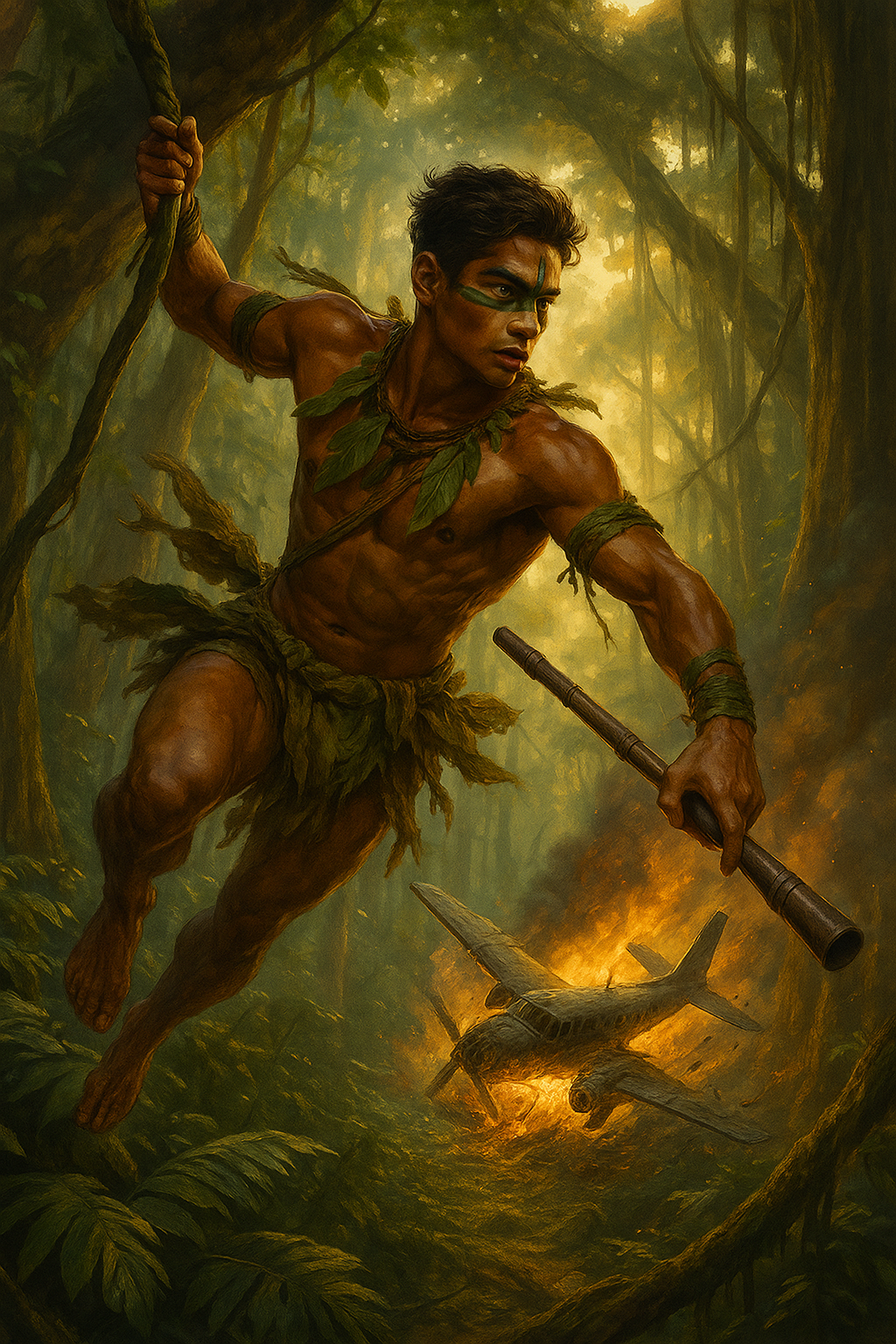
Jungle Dart brings agility, humor, and deep knowledge of the rainforest.
He understands how to move through the forest, read its signs, recognize danger, and use natural resources carefully. His connection to the Amazon highlights something technology cannot replace: place-based knowledge.
Conservation is stronger when it includes the people who live in and care for forest environments. That means listening to Indigenous leaders, supporting community-led projects, respecting cultural knowledge, and avoiding solutions designed by outsiders who never bothered to ask what local residents need.
Jungle Dart’s field rule is probably:
- Look closely.
- Listen carefully.
- Do not step on the seedlings.
- Definitely do not let Alpha supervise the snack inventory.
A small September eco-action check-in
You do not need a secret headquarters to help reduce pressure on forests. Start with one manageable action this month:
- Plan one or two more plant-based meals.
- Reduce unnecessary packaging and single-use products.
- Choose recycled paper when possible.
- Research the sourcing policies of companies you support.
- Walk, cycle, carpool, or use public transportation for a short trip.
- Support a reputable rainforest or community-led conservation organization.
- Share reliable environmental information instead of doom-scrolling past it.
Small actions are not the entire answer. Strong laws, responsible businesses, scientific research, Indigenous leadership, and well-funded conservation programs all matter.
But personal choices can help build public support for larger changes. They also remind us that environmental protection is not something only scientists, governments, or fictional adventure teams can do.
Everyone has a role.
Keep the eco-adventure going
The Rainsavers blends rainforest conservation with science fiction, espionage, ancient mysteries, and high-stakes action across a continuous six-book saga.
Ready to meet the full team and explore the story? Visit The Rainsavers to learn more, browse the character spotlights, explore the episodes, or find the books in the shop.
And for more practical ideas, read 5 Small Ways to Protect the Rainforest in 2026.
What is one rainforest-friendly habit you would like to try this September?
