The lone wolf superhero might be having an identity crisis.
While classic solo heroes dominated screens and pages for decades, something interesting is happening in 2026 fiction. Readers are increasingly drawn to stories where heroes work together, especially when they're tackling real-world environmental challenges that feel too big for any one person to handle.
Think about it: when you're facing climate change, deforestation, or corporate environmental destruction, does it really make sense for one person to handle it alone? That's probably why team-based eco-adventures are resonating so strongly with modern audiences.
Why Teams Beat Solo Acts in Today's Stories
The appeal of team dynamics goes beyond just having more characters on screen. When heroes collaborate, readers get to see different perspectives, skills, and approaches to problem-solving. It mirrors how we actually tackle big challenges in real life: through collaboration, diverse expertise, and shared responsibility.

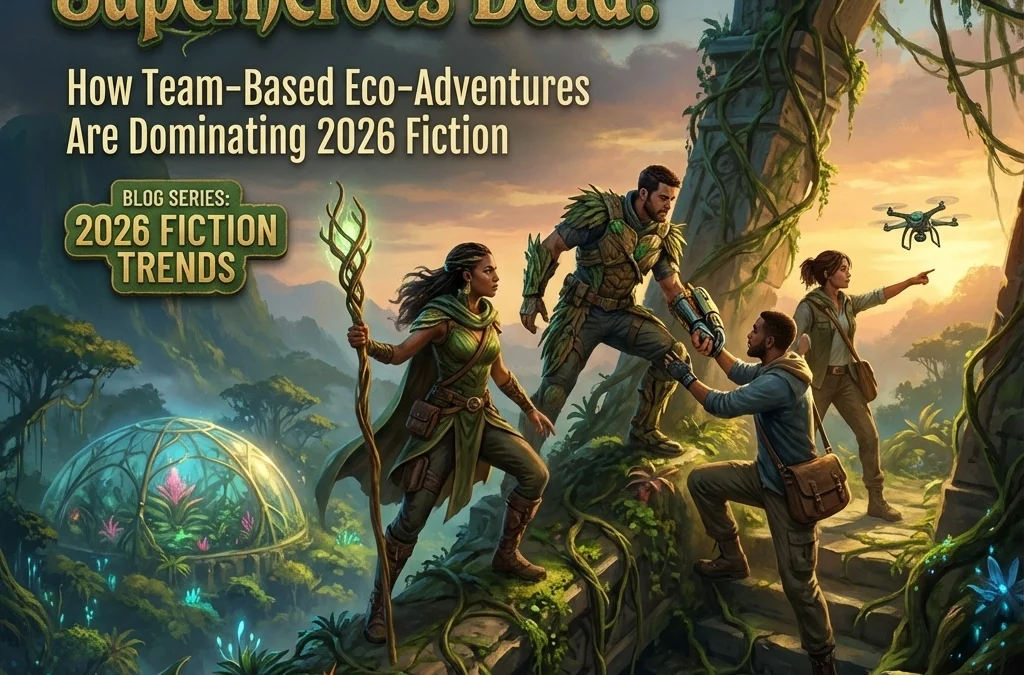
The Rainsavers exemplifies this perfectly. Instead of following a single environmental crusader, the series builds its narrative around a team where each member brings unique abilities to protect endangered ecosystems. One character might excel at technological innovation, while another understands indigenous conservation practices, and yet another handles the political complexities of environmental activism.
This approach feels authentic because environmental protection genuinely requires interdisciplinary teamwork. You need scientists, activists, policymakers, technologists, and community leaders all working toward the same goal.
Environmental Stakes That Demand Collective Action
Solo superhero stories often focus on personal vendettas or individual moral dilemmas. But when your villains are massive corporations destroying rainforests or climate systems threatening entire regions, the scale naturally demands a team response.
Environmental fiction in 2026 isn't just about saving the day: it's about saving entire ecosystems, and that feels more realistic when multiple heroes combine their strengths. Readers connect with stories that acknowledge the complexity of environmental challenges while still delivering the excitement of adventure fiction.
The Rainsavers taps into this by creating scenarios where no single character could possibly handle the threat alone. When facing antagonists with vast resources and complex environmental schemes, the team's diverse skill sets become essential rather than just convenient.
The Psychology of Shared Heroism
There's something deeply satisfying about watching characters support each other through impossible odds. Team-based stories allow for character development that goes beyond individual growth: characters learn from each other, cover for each other's weaknesses, and celebrate collective victories.

This collaborative dynamic resonates particularly well with younger readers who've grown up understanding that big problems require collective solutions. Climate change, social justice, technological ethics: these aren't issues that individuals tackle alone in real life, so fiction that reflects this collaborative approach feels more relevant.
In The Rainsavers, character relationships drive the plot as much as environmental threats do. When team members disagree on strategy or struggle with personal conflicts, it adds layers that pure action sequences can't provide. Readers invest in both the mission and the relationships.
Beyond Traditional Superhero Formulas
The shift toward team-based eco-adventures represents more than just changing reader preferences: it signals a evolution in how we think about heroism itself. Instead of extraordinary individuals with unique powers, we're seeing stories about extraordinary cooperation between people with complementary skills.
Environmental themes naturally lend themselves to this approach because real environmental work requires expertise across multiple disciplines. You might need someone who understands ecosystem biology, another who can navigate corporate politics, and a third who can design technological solutions.
The Rainsavers series demonstrates how this multi-faceted approach creates richer storytelling opportunities. Rather than relying on one character's special abilities to resolve conflicts, the team must strategize, adapt, and sometimes even sacrifice individual goals for collective success.
Why Readers Are Embracing Collaborative Heroes
Modern audiences seem hungry for stories that reflect how change actually happens in the real world. Solo hero narratives, while entertaining, can feel disconnected from how we experience challenges in our own lives. Most of us solve problems by working with others, combining resources, and building on each other's strengths.

Team-based eco-adventures also allow for more diverse representation. Instead of centering one character's perspective, these stories can incorporate multiple backgrounds, cultures, and approaches to environmental stewardship. This creates opportunities for richer world-building and more inclusive narratives.
The environmental focus adds another layer of relevance. Readers in 2026 are living with the daily reality of climate challenges, and they want fiction that acknowledges these concerns while still providing escapism and hope.
The Future of Environmental Adventure Fiction
As we move through 2026, the trend toward collaborative environmental heroes shows no signs of slowing down. Readers want stories that feel both exciting and meaningful, and team-based eco-adventures deliver on both fronts.
These stories work because they combine high-stakes adventure with genuine emotional investment in both character relationships and environmental outcomes. They offer hope without naive optimism, acknowledging that saving the world requires both extraordinary effort and ordinary cooperation.
The Rainsavers represents this new wave of environmental adventure fiction: where heroism means working together, where individual skills matter most in service of collective goals, and where saving the environment provides both personal growth and thrilling adventure.
Ready for Your Next Adventure?
If you're intrigued by the idea of environmental heroes who tackle impossible odds through teamwork rather than individual superpowers, The Rainsavers might be exactly what you're looking for.
The series combines heart-pounding adventure with thoughtful exploration of environmental themes, all built around characters whose relationships are as compelling as their mission to protect the world's most threatened ecosystems.
Read Book One now and discover how collaborative heroism is reshaping adventure fiction for a new generation of environmentally conscious readers.
