Remember those classic adventure stories where heroes conquered mountains, tamed rivers, and claimed territories? Where nature was just the backdrop for human triumph?
Well, 2026 is officially the year that changes everything.
A new wave of storytelling is flipping the script on adventure fiction, and it’s called eco-fiction. But this isn’t your typical “save the whales” message wrapped in a story. This is something much more revolutionary: and way more thrilling.
What Actually IS Eco-Fiction?
Eco-fiction isn’t just adventure stories with environmental themes slapped on top. It’s a complete reimagining of how stories work.
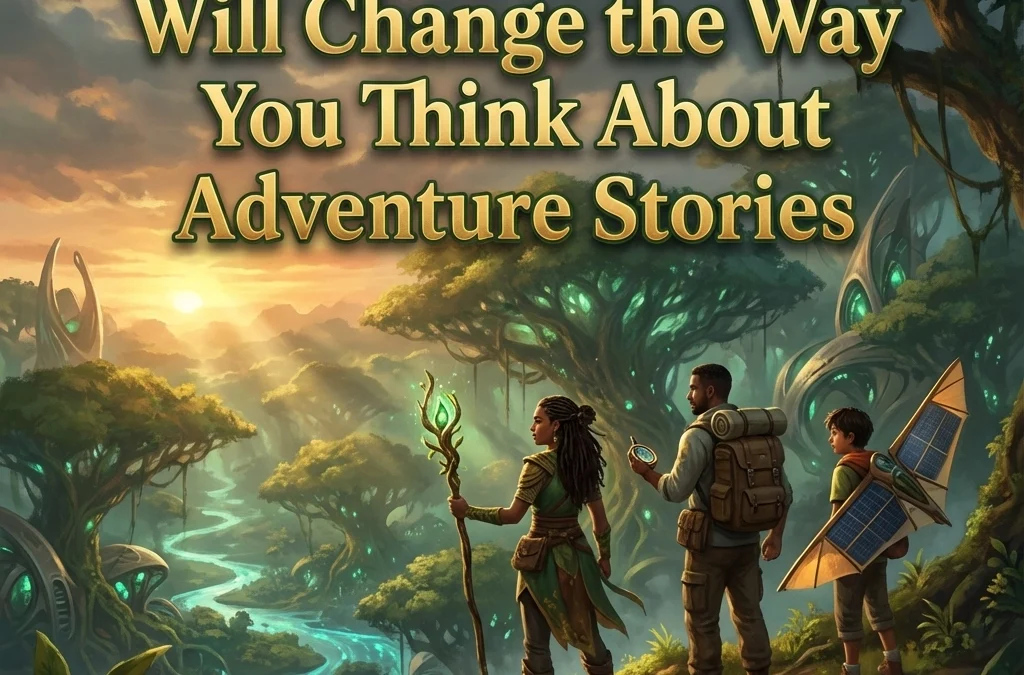
Instead of treating nature as a setting to overcome, eco-fiction makes the environment itself an active character with its own agenda, motivations, and power to shape the plot. Think of it as giving nature a seat at the protagonist table.

The forest doesn’t just sit there looking pretty while heroes march through it. The storm isn’t just an obstacle to overcome. The ecosystem becomes a living, breathing participant in the adventure: sometimes ally, sometimes adversary, but always consequential.
The Four Ways Eco-Fiction Transforms Adventure
1. Actions Have Real Consequences
Traditional adventure stories often treat the environment like a video game level: use what you need, take what you want, move on to the next challenge.
Eco-fiction changes that completely. Every decision the characters make ripples through the ecosystem. Disturb a water source? The entire valley feels it. Clear a section of forest? Wildlife patterns shift, weather changes, and the story responds.
This creates a new kind of tension where heroes can’t just bulldoze through challenges. They have to think, adapt, and respect the world they’re operating in.
2. Nature Gets a Voice
Here’s where things get really interesting. In eco-fiction, the natural world isn’t silent. It communicates through changing weather patterns, animal behavior, plant growth, and ecosystem shifts.
Characters have to learn to “read” these signals: not as mystical mumbo-jumbo, but as real environmental feedback. The adventure becomes a conversation between human ambition and natural systems.

Suddenly, the most important survival skill isn’t sword fighting or rope climbing. It’s understanding how your actions affect the world around you and adapting accordingly.
3. Teamwork Includes Non-Humans
Traditional adventure stories focus on human teams conquering external challenges. Eco-fiction expands the team to include the environment itself.
Smart protagonists learn to work with natural systems instead of against them. They form alliances with ecosystems, understanding that their success depends on environmental health.
This creates much richer, more complex adventures where the “team” might include a group of humans, a restored watershed, migrating wildlife, and a recovering forest: all working together toward a common goal.
4. The Real Enemy Is Disconnection
Classic adventure stories usually feature obvious villains: pirates, monsters, evil empires. Eco-fiction reveals a more subtle but powerful antagonist: the disconnection between humans and their environment.
The tension comes from characters learning to rebuild that connection while facing challenges that require both human ingenuity and environmental partnership.
Why This Matters Right Now
2026 isn’t just another year: it’s a turning point for how we think about our relationship with the natural world. Readers are hungry for stories that reflect this new understanding.

Traditional “human vs. nature” adventure stories are starting to feel outdated, even unrealistic. Modern readers know that environmental health directly impacts human survival and thriving. They want adventures that reflect this reality.
Eco-fiction delivers that. It offers all the excitement, danger, and heroism of classic adventure stories, but with added layers of meaning and relevance.
The New Adventure Heroes
Characters in eco-fiction aren’t just brave: they’re ecologically intelligent. They understand systems, read environmental signals, and make decisions that consider long-term consequences.
These heroes still face physical challenges, solve puzzles, and overcome obstacles. But they also navigate the complex relationships between human needs and environmental health.
This creates characters who feel both more realistic and more inspiring than traditional adventure heroes. They’re problem-solvers who think beyond immediate goals to consider broader impacts.

What This Means for Readers
If you’re tired of adventure stories where heroes can do whatever they want without consequences, eco-fiction offers something refreshing.
These stories provide:
- Deeper engagement: You’re not just following a hero’s journey: you’re learning to see the world through new eyes
- Realistic problem-solving: Characters face the same complex challenges we do in real life
- Hope without naivety: Stories acknowledge environmental challenges while showcasing human adaptability and creativity
- Expanded adventure: The natural world becomes an exciting, dynamic participant rather than static scenery
The Future of Adventure Storytelling
We’re watching adventure fiction evolve in real-time. Authors are discovering that environmental consciousness doesn’t limit storytelling: it enriches it.
Eco-fiction opens up new sources of conflict, new types of heroes, new definitions of success, and new possibilities for thrilling, meaningful adventures.

This isn’t a trend that’s going away. As readers become more environmentally aware, they’re seeking stories that reflect their values without sacrificing entertainment value.
Eco-fiction delivers both: heart-pounding adventures that also make you think differently about your relationship with the natural world.
Ready for Adventures That Matter?
The shift toward eco-fiction represents more than a new literary category: it’s a new way of understanding what adventure can be.
Instead of stories about conquering nature, we get stories about partnering with it. Instead of heroes who take what they want, we get heroes who consider long-term consequences. Instead of adventures that end when the quest is complete, we get adventures that continue as characters maintain their relationships with the ecosystems they’ve learned to understand.
If you’re ready to experience adventure stories that challenge your thinking while delivering all the excitement you crave, it’s time to dive into eco-fiction.
The environment has been waiting to tell its side of the story. Now it finally gets the chance to be heard.
Ready to explore adventures that change how you see the world? Discover stories that put environmental partnership at the heart of thrilling quests and experience the future of adventure fiction.
