
Meta Description: Are your eco-thrillers falling flat? Discover the 7 common mistakes authors make with environmental protection stories and how to fix them with tactical realism and high-stakes action.
Hey there, book lovers and adventure seekers! Steven G. Samuels here, CEO of The Rainsavers.
It’s July 2026, and if you’ve been keeping an eye on the charts, you know that environmental protection thrillers are absolutely blowing up. We’ve moved past the era where "eco-fiction" just meant stories about people hugging trees. Today, readers want high-tech gear, tactical maneuvers, and stakes that actually feel real.
But here’s the thing: as the genre grows, so do the clichés. Whether you’re a reader looking for your next binge-watch (or binge-read) or a writer trying to craft the next big hit, there are some major pitfalls that keep "good" stories from being "legendary."
At The Rainsavers, we live and breathe this stuff. We’ve learned a thing or two about what makes a pulse-pounding environmental adventure work. So, let’s dive into the seven mistakes people make with eco-thrillers: and exactly how we’re fixing them.
1. Turning the Story into a Science Lecture
We’ve all been there. You’re three chapters into a thriller, and suddenly, the author decides to drop a ten-page dissertation on carbon sequestration. Your eyes glaze over, the tension evaporates, and you forget why the hero was running in the first place.
The Fix: Tactical Integration
In 2026, readers are tech-savvy. You don't need to explain the "why" in a lecture; you show the "how" through the gear. Instead of explaining air toxicity, show a character checking the seal on their high-tech field respirator as they enter a dead zone. The science should be the obstacle or the tool, never the narrator.

2. The "Solo Superhero" Syndrome
There’s a common mistake that one person with a recycled crossbow can take down a global conglomerate. It’s a bit dated, right? In the real world: and in the best fiction: real change and real protection require a squad.
The Fix: Team-Based Tactics
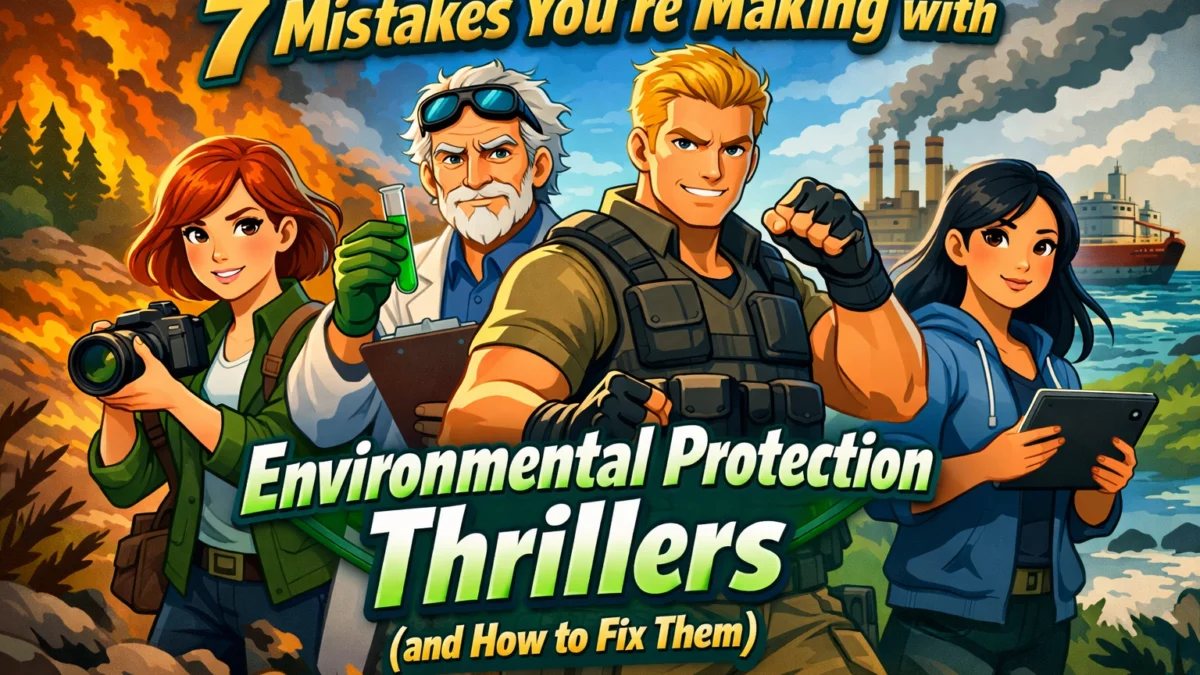
The modern eco-hero isn't a cape-wearing solo act. They are part of a specialized unit. We’re talking about experts in logistics, high-tech surveillance, and field combat. If you want to know more about why the "lone wolf" is out and teams are in, check out our deep dive on why team-based adventure series are taking over.
3. Forgetting the "Tactical Expedition" Aesthetic
Sometimes eco-thrillers feel a bit too… organic. Lots of linen shirts and dusty boots. While there’s a place for that, the modern environmental protection thriller needs to look and feel like a high-stakes mission.
The Fix: Gear Up
Think tactical expedition. We’re talking about ruggedized drones, moisture-wicking stealth suits, and: most importantly: those iconic high-tech field respirators. These aren't just props; they signify that the environment itself is a battlefield. When the characters look like they’re prepared for a tactical insertion into a hazardous rainforest, the stakes immediately feel higher.
4. Making the Environment a Passive Victim
A huge mistake is treating the planet like a "damsel in distress." The environment isn't just something to be saved; it’s a force to be reckoned with.
The Fix: The Environment as a Character
In a great thriller, the setting should be trying to kill the characters just as much as the villains are. Flash floods, unpredictable tectonic shifts, or toxic fog: these shouldn't just be "weather." They should be active participants in the plot. Why eco-fiction will change the way you think about adventure stories covers exactly how a living, breathing world changes the game for readers.

5. Using "Carton-Cutout" Villains
We get it: big corporations are easy targets. But if the villain is just a guy in a suit twirling his mustache and hating trees for the sake of it, the story loses its edge.
The Fix: Complex Motivations
The best villains believe they are the heroes of their own stories. Maybe they’re trying to solve an energy crisis and don't care about the collateral damage. Maybe they’re chasing ancient secrets hidden under the ice. When you pit ancient mysteries against modern threats, you get a conflict that keeps readers turning pages late into the night.
6. Ignoring the "Action" in "Action-Thriller"
Environmental protection is often slow, grueling work in real life. In fiction, you can't let the pace sag. If the characters spend fifty pages filing a mock injunction against a logging company, your readers are going to check out.
The Fix: High-Octane Sequences
Every environmental revelation should lead to an action set-piece. If they find proof of illegal dumping, they should be chased through a hazardous swamp immediately afterward. Keep the respirators on and the heart rates up.

7. Lacking a Sense of Hope
The "Doom and Gloom" trap is real. If the story is just a 400-page reminder that the world is ending, people are going to put it down.
The Fix: The "Saveable" World
The core of The Rainsavers philosophy is that the world is worth saving and that a group of dedicated, well-equipped people can make a difference. The thriller should be about the victory, the narrow escape, and the protection of something beautiful. We want our readers to finish a book feeling energized, not depressed.
Why The Rainsavers Does It Differently
We didn't just want to publish books; we wanted to create a world. When you dive into our series, you’re not just reading about the environment: you’re joining a tactical expedition.
Our characters don't have superpowers. They have training, they have each other, and they have some of the coolest tech you’ll find in 2026 fiction. We focus on the "Tactical Expedition" look because it represents the grit and preparation required to protect our planet.
If you’re tired of the same old mistakes and you’re ready for a series that respects your intelligence and your thirst for action, you’re in the right place. We’ve put together the ultimate guide to climate fiction to help you find even more great reads, but we think you’ll find our flagship stories are the perfect place to start.
Ready to Join the Expedition?
The world isn't going to save itself, and neither are these books going to read themselves! If you want to see how we handle high-tech field gear, complex villains, and team-based tactics firsthand, there’s only one thing to do.
Whether you’re here for the gadgets, the gear, or the edge-of-your-seat suspense, we’re glad to have you on the team. Stay safe out there, keep your respirators handy, and happy reading!
: Steven G. Samuels
CEO, The Rainsavers
Want to see the gear in action? Check out our TV commercial or meet the team on our characters page. If you're feeling lucky, don't forget to enter the Down the Rabbit Hole Contest!
