
Primary Category: Adventure Fiction Analysis
Secondary Category: Worldbuilding & Lore
Every great adventure story needs a compelling antagonist, but what drives them to become the villain? As writers craft their next thriller, they face a crucial choice: should their bad guy be motivated by ancient secrets and forgotten powers, or by cutting-edge technology and contemporary fears? Both approaches can create unforgettable villains, but each comes with distinct advantages that can make or break your story.
The Allure of Ancient Mysteries
There's something inherently captivating about villains driven by ancient mysteries. These antagonists tap into humanity's oldest fears and desires: the hunger for forbidden knowledge, the terror of forces beyond our understanding, and the seductive power of secrets lost to time.
The Knowledge Seeker represents one of the most compelling ancient mystery motivations. Picture an archaeologist who discovers references to a civilization that supposedly mastered weather control thousands of years ago. Their academic curiosity gradually transforms into obsession as they realize this knowledge could solve climate change: or be weaponized to control nations. The villain isn't evil for evil's sake; they genuinely believe they're saving humanity, even if it means sacrificing a few thousand lives to uncover the truth.
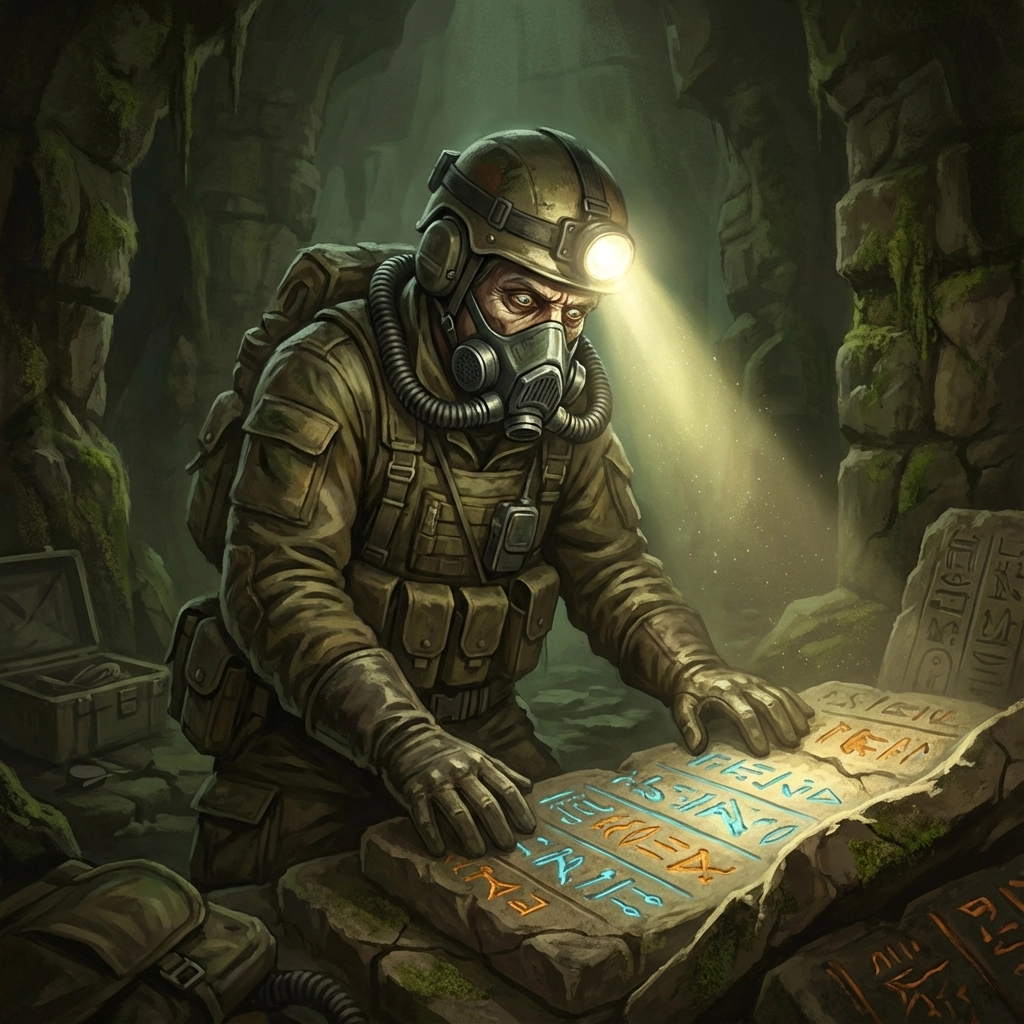
Ancient mysteries work particularly well because they create automatic stakes escalation. When your villain seeks a modern weapon, readers understand the threat level. But when they're after "the Staff of Seven Storms" mentioned in cryptic hieroglyphs? The audience doesn't know the limits, which makes everything more terrifying.
Psychological depth comes naturally with ancient motivations. A character obsessed with proving their grandfather's theories about lost civilizations carries generational trauma, family honor, and academic pride all wrapped into one compelling package. These villains often start as sympathetic figures: researchers, historians, or preservationists: before their noble goals corrupt them.
The challenge with ancient mysteries lies in avoiding the cliché trap. Readers in 2026 have seen countless stories about cursed artifacts and forgotten civilizations. The key is grounding mystical elements in believable science or giving ancient powers modern consequences. What if that weather-controlling civilization fell because they triggered an ice age? Suddenly your villain's quest becomes a race against their own potential destruction.
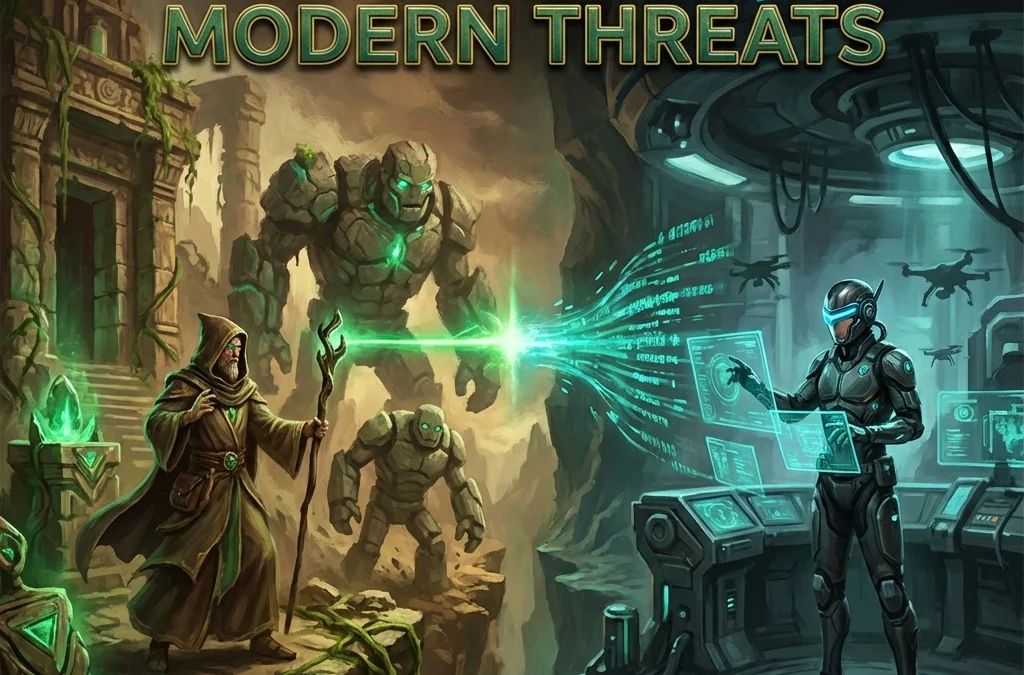
The Urgency of Modern Threats
Modern threat motivations pack a different punch: they feel immediate, realistic, and unavoidable. These villains emerge from today's headlines and tomorrow's possibilities, making their schemes feel less like fantasy and more like "this could actually happen."
The Tech Visionary represents modern motivation at its most compelling. Consider a former climate scientist turned eco-terrorist who develops technology to artificially trigger massive rainstorms. Their motivation stems from watching governments ignore climate data while forests burn and crops fail. They're not seeking ancient power: they're using cutting-edge atmospheric manipulation because traditional solutions have failed.

Modern threats excel at emotional relevance. Readers connect instantly with villains motivated by corporate corruption, environmental collapse, technological overreach, or social inequality because these fears dominate our daily news cycle. A billionaire using orbital satellites to control global weather patterns doesn't require explanation: audiences immediately understand both the means and the danger.
Realism gives modern threats incredible power. When readers think "this could be real," tension skyrockets. A villain with ancient artifacts feels safely fictional, but a villain with next-generation technology feels like tomorrow's headlines. This immediate believability creates visceral fear that ancient mysteries struggle to match.
The limitation of modern motivations is shelf life. Stories driven by today's cutting-edge technology may feel dated in five years. Remember how futuristic stories about the internet felt in 1995? Compare that to how online thriller plots feel routine now. Ancient mysteries, by contrast, never go out of style because humanity's relationship with the unknown remains constant.
The Battle: Head-to-Head Analysis
Emotional Investment: Ancient mysteries win on wonder and curiosity, while modern threats win on fear and recognition. Ancient motivations make readers ask "what if magic was real?" Modern motivations make them ask "what if this happened tomorrow?" Both create investment, but through different emotional pathways.
Stakes Clarity: Modern threats provide clearer, more immediate stakes. Readers instantly understand what a weaponized hurricane means for coastal cities. Ancient mysteries require more exposition but offer potentially unlimited scope once established.

Character Development: Both approaches can create complex villains, but they emphasize different aspects. Ancient mystery villains often struggle with isolation, obsession, and the weight of forbidden knowledge. Modern threat villains typically grapple with disillusionment, technological ethics, and the corruption of good intentions.
Plot Flexibility: Ancient mysteries offer more creative freedom since writers aren't bound by real-world limitations. Need your villain to survive a building collapse? Ancient artifact. Need them to track heroes across continents? Mystical connection. Modern threats require more logical consistency but feel more grounded.
The Hybrid Approach: Best of Both Worlds
The most effective villains often blend both motivations. Consider an antagonist who uses advanced technology to unlock ancient weather-controlling knowledge. They're driven by modern environmental concerns but seeking solutions in historical mysteries. This hybrid approach captures immediate relevance while maintaining mystery and wonder.
The Corporate Archaeologist exemplifies this blend: a tech billionaire funding archaeological expeditions not for historical preservation, but to reverse-engineer ancient technologies for modern applications. They're motivated by contemporary problems (climate change, resource scarcity) but pursuing solutions through historical mysteries.

This combination addresses the weaknesses of each approach while amplifying their strengths. Ancient elements provide wonder and unlimited possibilities, while modern elements ensure immediate relevance and emotional connection.
Context Matters More Than Category
Ultimately, the "better" motivation depends entirely on your story's needs. Fast-paced techno-thrillers benefit from modern threats that feel urgent and believable. Epic adventures spanning multiple books can develop ancient mysteries with the depth they deserve.
Consider your audience: Readers seeking escapism may prefer ancient mysteries that transport them to worlds of possibility. Readers wanting social commentary may gravitate toward modern threats that reflect contemporary anxieties.
Consider your series: Ancient mysteries work well for ongoing adventures where you can gradually reveal deeper layers of mystery. Modern threats excel in standalone stories or shorter series where immediate impact matters most.
The most important factor isn't whether your villain seeks ancient artifacts or cutting-edge technology: it's whether their motivation feels authentic, compelling, and worthy of your hero's opposition.
Whether you choose mysterious relics or modern technology, the key is making readers believe your villain genuinely thinks they're justified. After all, the best antagonists are heroes of their own stories, regardless of whether those stories began in ancient temples or corporate boardrooms.
Ready to craft your own compelling villain? Read Book One now and see how The Rainsavers balances ancient mysteries with modern stakes in a story that proves the best adventures blend both approaches.
