
Meta Description: Solo superhero origin stories or team-based eco-vigilantes? We break down which storytelling approach works better for 2026 readers, and why The Rainsavers series nails both.
Look, we need to talk about superhero fatigue.
It's February 2026, and if I see one more billionaire get bit by a radioactive something-or-other and wake up with abs that could cut glass, I'm going to lose it. Don't get me wrong, origin stories have their place. But the solo superhero journey? The "chosen one" who broods alone on rooftops? That format is starting to feel… dated.
Meanwhile, team-based eco-vigilante adventures are absolutely eating right now. And there's a reason for it.
The Solo Superhero Problem (It's Getting Kinda Lonely)
Traditional superhero origin stories follow a predictable formula: normal person → tragic event → powers → costume → save the world. Rinse, repeat. The hero wrestles with their identity, maybe gets a mentor, definitely gets a love interest, and boom, franchise potential unlocked.
But here's the thing: that isolated hero's journey doesn't reflect how we actually solve problems in 2026. Climate change? Not getting fixed by one dude with super strength. Corporate corruption? Team effort. Ecological collapse? You're going to need more than a cape.

Solo origin stories are inherently individualistic. They're about one person being special enough, smart enough, strong enough to save everyone else. And while that makes for compelling mythology, it's increasingly out of step with how younger readers see the world. Gen Z and Gen Alpha aren't looking for saviors, they're looking for squads.
Why Eco-Vigilante Teams Hit Different
Now, eco-vigilante teams? That's where things get interesting.
Instead of one hero discovering their power, you get a group of people with different skills, perspectives, and motivations banding together to fight ecological threats. No one person has all the answers. No single character saves the day alone. It's messy, it's complicated, and it feels real.
The team-based format also lets you explore way more interesting dynamics:
- Conflict within the group (because saving the planet is stressful and people disagree)
- Diverse skill sets (not everyone needs super strength when you've got hackers, scientists, and strategists)
- Shared trauma and victories (bonding over near-death experiences in the Amazon hits harder when it's six people, not one)
Plus, let's be honest: eco-threats are inherently team problems. You can't punch climate change in the face. You need intelligence, coordination, sacrifice, and people willing to get their hands dirty, sometimes literally, across multiple continents.

What Readers Actually Want in 2026
Here's what the data shows: readers in 2026 are craving connection, not isolation. They want:
1. Characters who feel human
Not flawless superheroes, but flawed people trying their best. People who make mistakes, crack jokes under pressure, and sometimes absolutely lose it when things go sideways.
2. Stakes that feel relevant
Saving the world from an alien invasion? Cool, but abstract. Stopping a corporation from poisoning the water supply or destroying ancient ecosystems? That hits close to home.
3. Adventure that's grounded in reality
Readers want escapism, but they also want stories that reflect the world they live in. Eco-vigilante fiction bridges that gap perfectly, it's thrilling and rooted in real environmental issues.
4. Found family vibes
Solo heroes get lonely. Teams get to build relationships, earn each other's trust, and create that "found family" energy that readers are obsessed with right now.
The Rainsavers: Why Not Both?
Here's where things get fun. What if you didn't have to choose between superhero-style individual character arcs and team-based eco-adventure? What if you could have both?
That's exactly what The Rainsavers series does.
Each of the six books follows a core team of eco-vigilantes, led by Bossman, a former corporate executive turned environmental warrior, as they tackle ecological crises across six continents. But here's the twist: each character gets their own origin moment within the team context. You see how they joined, what drives them, and how they evolve alongside their teammates.

Take Bossman, for example. He's not some billionaire playboy with unlimited resources (okay, he kind of has resources, but he's using them to fund illegal rainforest protection missions, so it counts). He's a guy who burned his old life to the ground because he couldn't stand by while corporations destroyed the planet. That's an origin story. But it's not a solo journey, he immediately pulls together a team because he knows he can't do this alone.
Or look at the crew tackling the Amazon rainforest in Book One. You've got:
- Field operatives who know how to survive in hostile terrain
- Tech specialists running interference against corporate mercenaries
- Scientists analyzing environmental data in real-time
- Strategists coordinating missions across time zones
Everyone has a role. Everyone has a backstory. And everyone is essential to the mission.
Series vs. Standalone: The 2026 Reader's Dilemma
Another reason team-based adventure series are crushing it? Readers want to stay in the world. They don't want a neat, wrapped-up standalone where everything is resolved in 300 pages. They want to follow characters across continents, through evolving threats, and into increasingly dangerous situations.
The six-book Rainsavers series takes you from the Amazon rainforest to the Arctic, from ancient Egyptian ruins to a literal Nazi moonbase (yes, really: stick around for Book Six). Each location brings new challenges, new team dynamics, and new reasons to care about what happens next.
That's something a standalone superhero origin story just can't deliver. You get one transformation, one act of heroism, and then… credits roll. But with a connected series? You get to watch characters grow, relationships deepen, and stakes escalate in ways that feel earned.

The Verdict: Teams Win (But Make It Personal)
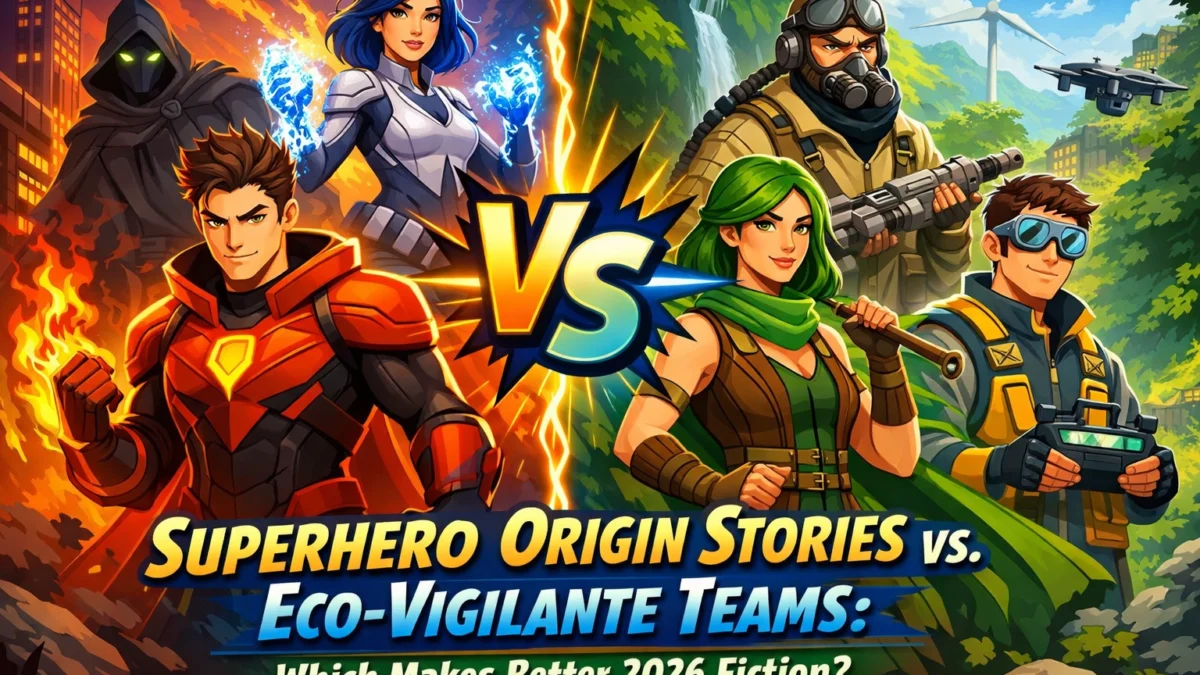
So which makes better 2026 fiction: superhero origin stories or eco-vigilante teams?
Honestly? Teams. Hands down.
But the best fiction finds a way to give you both: the intimate, personal character arcs of a great origin story and the collaborative, high-stakes energy of a team adventure. That's the sweet spot. That's where readers want to live.
If you're tired of solo heroes brooding on rooftops and you're ready for something that feels relevant, urgent, and wildly entertaining, you need a series that understands what 2026 readers are craving: connection, action, and stories that matter.
Ready to See How We Blend Both?
The Rainsavers isn't your typical superhero story: and it's not your typical eco-fiction either. It's a six-book adventure series that combines personal transformation with team-based action, all set against real-world environmental crises that'll keep you up at night (in a good way).
Think tactical expeditions, high-tech field gear, morally gray decisions, and a crew of characters who are just trying not to die while saving the world.
