
Meta description: Jungle Dart shares a playful 2026 mission briefing with simple ways to support Amazon rainforest protection, rainforest conservation, and sustainable living from home.
Field Note: August 21, 2026
Greetings from somewhere with approximately 400 kinds of green, three suspiciously loud frogs, and one teammate who insists that tree sap is “basically jungle glue.”
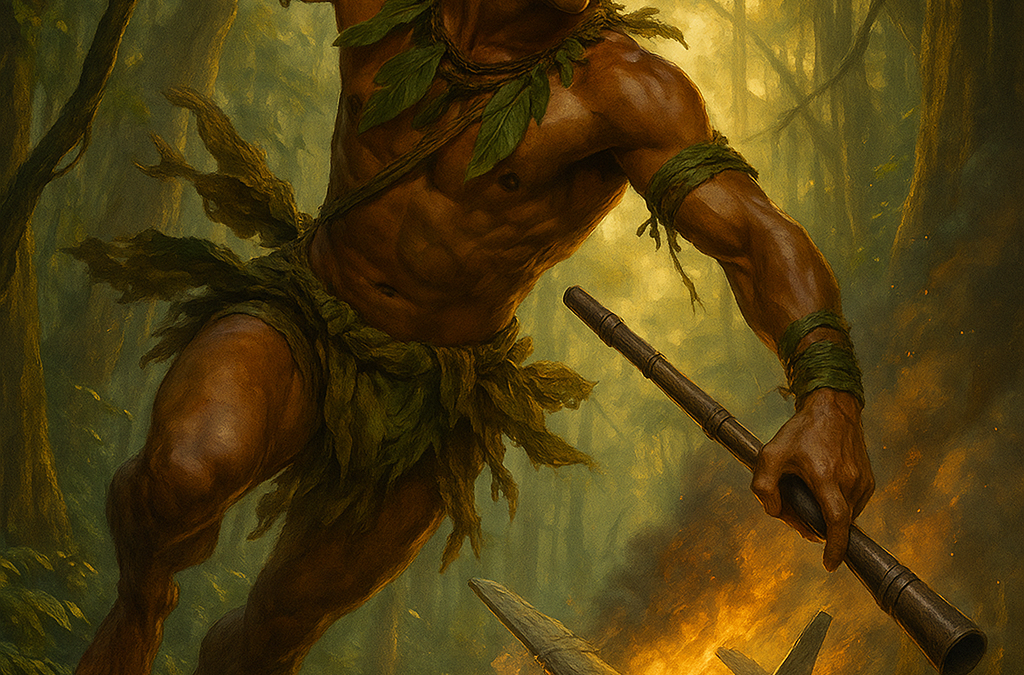
It’s José Verdura here, Jungle Dart to the team, and today’s mission is simple:
Outsmart Bossman without leaving your living room.
No blowgun required. No secret jungle entrance required. Definitely no wrestling an excavator. I tried that once. Oops. The excavator won.
Bossman represents the greed, waste, and careless decisions that drive deforestation. But every day, ordinary people can help reduce the pressure on the Amazon rainforest. Think of it as a team mission: small choices, repeated by millions of people, can become a very large obstacle for anyone trying to burn, clear, or exploit the forest.
Here’s your at-home mission briefing.

Mission 1: Support the people protecting the forest
The fastest way to turn concern into action is to support organizations already working on rainforest conservation.
You can:
- Donate a small amount regularly instead of waiting for a dramatic emergency.
- Support groups that work with Indigenous peoples and local communities.
- Choose organizations with clear information about where donations go.
- Share their campaigns with friends, family, and your favorite group chat.
A few places to begin researching include Amazon Conservation, the Rainforest Foundation, Amazon Watch, and WWF’s Amazon conservation work.
You don’t need a giant fortune. Even a modest monthly donation can help fund forest monitoring, land protection, restoration, legal advocacy, and community-led conservation.
Field note: If your budget is tight, sharing reliable information is still useful. It costs less than a fancy jungle helicopter and has fewer maintenance problems.
Mission 2: Put deforestation-linked products on trial
Bossman loves products with mysterious origins. “Where did this beef come from?” he asks. “Who knows?” says the label. “Excellent,” says Bossman, reaching for a bulldozer.
Your job is to become a slightly nosy shopper.
Beef
Cattle ranching is a major driver of Amazon deforestation. Reducing how often you eat beef is one practical way to lower demand. You can try:
- Choosing plant-based meals a few times a week.
- Buying less beef overall.
- Asking restaurants and retailers about sourcing when information is available.
- Avoiding waste by planning meals and using leftovers.
This is not about being perfect. It’s about making a thoughtful choice more often.
Oops moment: I once attempted to cook a “simple” lentil stew and somehow created a pot of brown rainforest cement. The good news? It was still edible. The better news? There are recipes.
Palm oil
Palm oil can appear in snacks, cosmetics, soap, cleaning products, and more. The problem is not always the ingredient itself; the bigger question is whether it was produced responsibly and without clearing valuable forests.
When shopping:
- Check labels when practical.
- Look for companies that explain their palm-oil sourcing.
- Choose products that use credible sustainable sourcing standards.
- Contact brands when their policies are unclear.
The Rainforest Alliance offers useful background on responsible production and forest protection.
Soy and other hidden connections
Soy is used in many foods and also as animal feed. That means your overall food choices can connect to land-use decisions in ways that are not obvious from a supermarket label.
The simple approach: eat more whole foods, reduce unnecessary consumption, and support brands that publish clear environmental commitments.

Mission 3: Reduce your paper, wood, and furniture footprint
A rainforest does not need another disposable coffee table made from questionable timber. It has enough furniture already. I checked.
Before buying wood or paper products, ask:
- Do I actually need this?
- Can I buy it secondhand?
- Can I repair or reuse something I already own?
- Is it made from recycled material or responsibly sourced wood?
- Does the company clearly explain its supply chain?
Use less paper where possible, recycle correctly, and be cautious with tropical hardwoods such as mahogany, rosewood, and ebony. If a product’s wood origin is vague, that is a good reason to keep looking.
Sustainable living is not a contest to own the fewest objects. It is mostly about slowing down before buying things that will spend 11 months in a closet and then mysteriously become “storage.”
Mission 4: Make your home a lower-impact base camp
Climate change makes forests more vulnerable to heat, drought, and fire. At the same time, deforestation releases carbon and weakens the Amazon’s ability to regulate climate. Protecting the rainforest means addressing both problems.
From home, you can:
- Turn off lights and electronics when you are finished using them.
- Improve insulation and energy efficiency where possible.
- Use public transportation, walk, or cycle when practical.
- Choose renewable electricity if it is available in your area.
- Reduce single-use items.
- Repair, reuse, and borrow before buying new.
- Cut food waste.
- Wash clothes in cold water and air-dry them when possible.
None of these actions will make your toaster sprout leaves. They can, however, reduce energy use, waste, and demand for resource-intensive production.
Field note: I tried air-drying clothes in the jungle once. Everything came back smelling like wet leaves and victory. Results may vary in apartment buildings.

Mission 5: Spread awareness, but bring receipts
Sharing information is powerful, especially when it helps people understand the links between deforestation, climate change, food, land rights, and biodiversity.
But please avoid forwarding every dramatic headline with a flaming-tree emoji and no source. Alpha calls that “panic Morse code.”
Instead:
- Share information from conservation organizations, scientists, and Indigenous leaders.
- Explain one practical action people can take.
- Talk about rainforest protection without shaming people.
- Support campaigns that defend forest communities and Indigenous rights.
- Ask businesses and elected officials for clear, measurable commitments.
A calm, useful conversation can travel farther than a doom spiral. The goal is not to make everyone feel guilty. The goal is to make action feel possible.
Mission 6: Use your consumer voice
Companies notice what customers buy, ask about, and refuse to ignore.
If a brand is unclear about beef, palm oil, soy, leather, timber, or paper sourcing, send a polite question. Ask whether it has:
- A deforestation-free supply-chain policy.
- Public sourcing standards.
- Independent verification.
- Plans to protect Indigenous and local community rights.
- Progress reports instead of vague green language.
One email may not bring down Bossman’s entire operation. But thousands of informed customers can make environmental responsibility harder to treat as a decorative slogan.
The five-minute emergency protocol
Short on time? Here is the compact version:
- Choose one conservation organization to research.
- Plan one lower-impact meal this week.
- Check the sourcing policy of one brand you regularly buy.
- Skip one unnecessary purchase.
- Share one reliable rainforest protection resource.
That’s it. Mission accomplished for today.
Then repeat next week.
Final field note
The Amazon rainforest is enormous, complicated, and under serious pressure. No single person can solve deforestation from a sofa: and anyone who says otherwise is probably selling a suspiciously shiny sofa.
But people can support effective conservation, make mindful consumer choices, reduce deforestation-linked products, adopt sustainable living habits, and use their voices to demand better decisions. Those actions matter most when they become shared habits.
That is the heart of The Rainsavers: environmental stakes, high-adventure missions, and the stubborn belief that protecting the future is worth showing up for.
So, recruit your household, brief your group chat, and start with one move today: what’s your first mission to help protect the Amazon rainforest?
