Meta Description: Why are team-based adventures like The Rainsavers winning in 2026? Discover how Primal, Alpha, Sunbyte, and Jungle Dart are redefining sci-fi through collaboration, eco-action, and the end of the "lone wolf" era.
Hey everyone, Steven here.
Can we just take a second to look at where we are in April 2026? The world feels a little louder, a little faster, and: if I’m being honest: a lot more complicated than it did even a few years ago. In the world of fiction, especially sci-fi, we’re seeing a massive shift in what readers actually want to spend their time with.
The era of the brooding, "I work alone" lone wolf is officially in the rearview mirror.
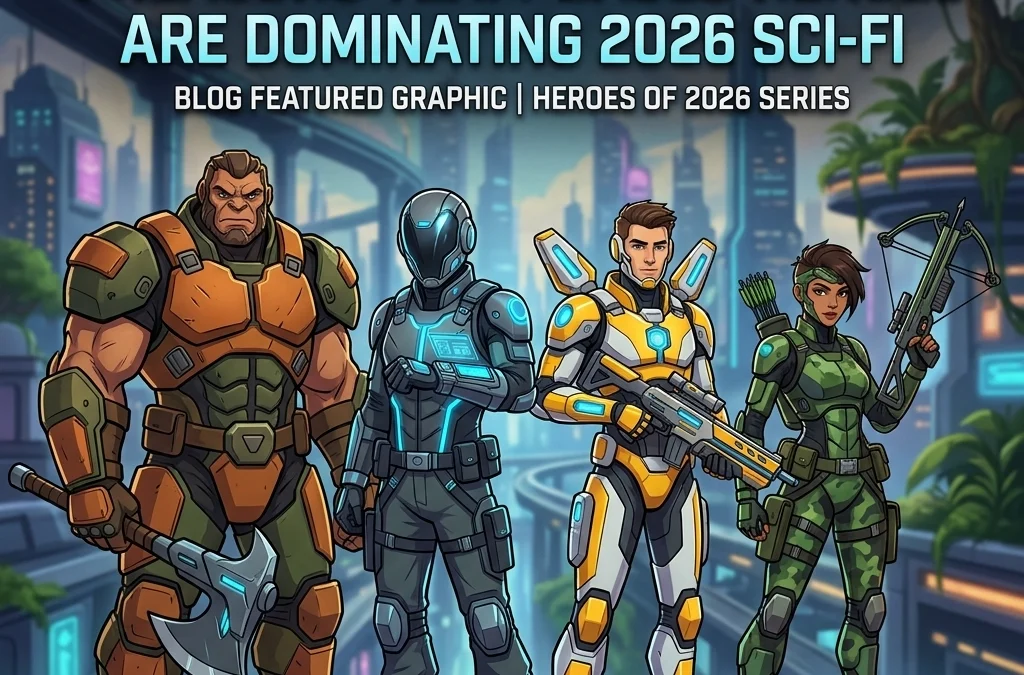
In 2026, the spotlight has shifted toward something more human, more relatable, and frankly, more effective: the team. At The Rainsavers, we’ve seen this firsthand with the incredible response to Primal, Alpha, Sunbyte, and Jungle Dart.
People aren't just looking for a hero; they’re looking for a crew. They’re looking for a family that fights together, fails together, and saves the world together. If you’ve been following our latest releases, you know these four aren't just names on a page: they represent a new philosophy in adventure storytelling.
Here are four reasons why team-based heroes are absolutely dominating the sci-fi landscape this year.
1. The Death of the "Do-It-All" Specialist
Back in the day, your average sci-fi protagonist was a master of everything. They could fly the ship, hack the mainframe, win the fistfight, and deliver the witty one-liner all before breakfast. In 2026, that just doesn't fly. Readers are smarter now. We know that real-world problems: especially environmental ones: require specialized skills.
Take our crew, for example.
Sunbyte is a digital ghost. If there’s a localized network to breach or a drone swarm to override, Sunbyte is the only one you want in the chair. But put Sunbyte in a physical confrontation against a rogue security detail? That’s where things get messy.
That’s where Primal comes in. Primal isn’t interested in code. Primal is the raw, physical manifestation of nature’s defense mechanism. When the tech fails and things get kinetic, Primal provides the shield the team needs.
The dominance of team-based sci-fi comes from this honesty: no one person has all the answers. By splitting the "superhero" skillset across characters like Sunbyte and Primal, the stakes feel higher because they depend on each other to survive.

2. Dynamic Banter and the "Found Family" Vibe
Let’s be real: watching one guy talk to himself for 300 pages is exhausting.
The biggest draw for readers in 2026 is the chemistry. We want to see Alpha trying to maintain tactical discipline while Jungle Dart is making sarcastic comments from the shadows. Alpha is the strategist, the one who sees the big picture and feels the weight of every decision. That kind of pressure creates amazing narrative tension, especially when Jungle Dart: the stealth and infiltration expert: decides to take a "creative" path that wasn't in the mission briefing.
This dynamic creates a "found family" atmosphere that solo stories simply can’t replicate. We see them argue about the best way to bypass a German-engineered hydro-dam or bicker over who used the last of the rations. It’s these small, human moments that make the high-concept sci-fi elements feel grounded.
When you read a Rainsavers story, you aren't just reading about a mission; you’re hanging out with a group of people you actually like. That’s why team-based stories are winning: they offer companionship in an increasingly digital world.
3. The Scale of Modern Threats
In 2026, the "villains" in our stories aren't just guys in costumes; they are systemic threats. We’re talking about ecological collapse, corporate greed, and the fight for the planet's very survival. These aren't problems you can punch into submission.
Because the threats are so large, the response has to be equally complex. This is why the team structure works so well for eco-adventure.
- Alpha handles the logistics and the high-level strategy.
- Sunbyte manages the information warfare and technical sabotage.
- Jungle Dart handles the precision strikes and recon.
- Primal handles the heavy lifting and environmental synchronization.
If you’re trying to save a rainforest from a high-tech extraction team, you need a multi-pronged approach. Solo heroes feel inadequate against the scale of 2026's fictional (and real) challenges. A team like The Rainsavers represents the idea that we can only solve big problems by working together. It’s a message that resonates deeply right now.

4. Tactical Variety and Skimmable Action
Let’s talk about the reading experience. We know you’re busy. We know you’re probably reading on a tablet or a phone during your commute or a break. Team-based stories allow for much more creative and varied action sequences that keep the pages turning.
Instead of one long fight scene, a team dynamic allows us to "cross-cut" between different styles of action:
- The Tension: Jungle Dart silently neutralizing sensors.
- The Tech: Sunbyte frantically bypassing a countdown.
- The Power: Primal holding back a collapsing structure.
- The Command: Alpha coordinating it all through the comms.
This variety makes the story feel cinematic and fast-paced. It’s skimmable in the best way possible because every character brings a different "flavor" to the chapter. You never get bored because the perspective is always shifting to the person best suited (or worst suited) for the current disaster.

Why The Rainsavers Lead the Pack
At the end of the day, Primal, Alpha, Sunbyte, and Jungle Dart work because they aren't perfect. They are a reflection of us: flawed individuals trying to do something good against overwhelming odds.
We’ve moved past the era of the untouchable icon. 2026 is the year of the specialist, the year of the partner, and the year of the team. Whether they’re navigating the ruins of an ancient civilization or tactical-sliding through a high-tech lab, these four characters show us that the only way forward is together.
If you’re tired of the same old solo hero tropes and you want something that feels fresh, fast, and fiercely relevant to the world we live in today, you’re in the right place. Our team isn't just fighting for survival; they're fighting for the future.
We’ve got plenty more stories coming your way, involving everything from ancient mysteries to modern corporate villains. The world of The Rainsavers is expanding every day, and we want you to be part of the crew.
Read Book One now and join the mission.
Want to dive deeper into the lore?
Check out our characters page to see the full dossiers on Primal, Alpha, Sunbyte, and Jungle Dart. You can also see how these heroes compare to the classic tropes in our post on why solo hero stories are a thing of the past.
Stay safe out there, and remember: nature always finds a way, especially when it has a team like this on its side.
: Steven G. Samuels, CEO, The Rainsavers
