Meta Description: From illegal deforestation to corporate exploitation, discover the real environmental crises that shaped The Rainsavers eco-adventure saga. Fiction meets reality in 2026.

Look, we all know fiction doesn't just pop out of thin air. Every great story, especially one involving teams of eco-warriors fighting corporate villains in the Amazon, pulls from something real. Something that makes your stomach drop when you read the news.
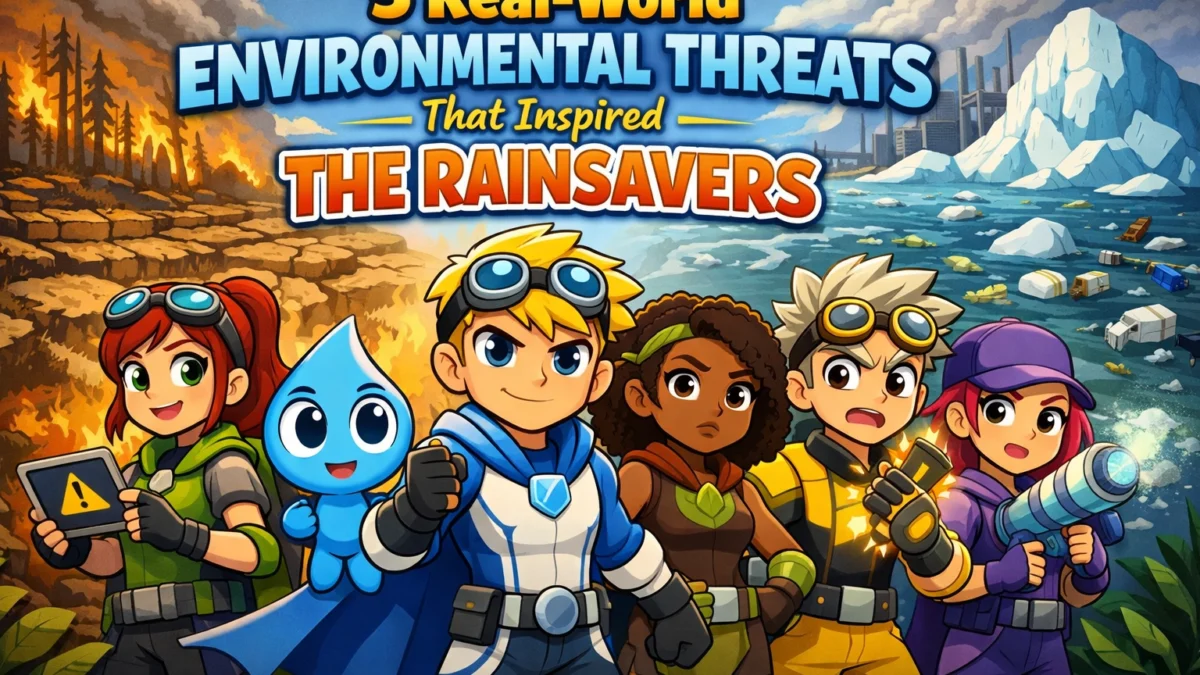
So let's get real about the five environmental nightmares happening right now in 2026 that inspired The Rainsavers. Fair warning: some of this stuff will make you want to punch a billionaire.
1. The Amazon Is Still Burning (And It's Getting Worse)
Remember when everyone freaked out about Amazon fires back in 2019? Yeah, well, we're still here in 2026, and guess what? The problem never went away. It just got better PR.
Illegal deforestation continues at a terrifying pace. Companies clear massive swaths of rainforest for cattle ranching, soy farming, and mining operations. They burn it down because fire is cheap and effective. The indigenous communities who've lived there for thousands of years? Collateral damage in someone's quarterly earnings report.

In The Rainsavers, Bossman Carbón isn't some cartoonish villain twirling his mustache. He's every corporation that looks at ancient rainforest and sees dollar signs. The fires José and his team fight? Those are ripped straight from satellite imagery that makes climate scientists lose sleep.
The scary part? By 2026, we've lost over 20% of the original Amazon rainforest. At this rate, we're approaching a tipping point where the forest can't regenerate itself. That's not sci-fi dystopia. That's Tuesday.
2. Indigenous Communities Are Under Attack
Here's something that doesn't make headlines enough: environmental destruction and human rights violations are basically the same problem.
When logging companies or mining operations move into protected territories, they're not just destroying trees. They're destroying entire cultures. Indigenous land defenders face intimidation, violence, and worse. Between 2020 and 2026, hundreds of environmental activists, many of them indigenous, have been killed protecting their ancestral lands.
The Solimoes tribe that raises José in the series? They represent thousands of real indigenous communities fighting to protect both their homes and the planet's lungs. These folks are the original environmentalists, and they're getting zero backup from the people who should care most.

The Rainsavers team includes indigenous knowledge and leadership because, honestly, that's who's been protecting these forests all along. The rest of us are just catching up.
3. Corporate Greed Has Gone Full Supervillain
Let's talk about the elephant in the rainforest: massive corporations with bigger budgets than small countries doing whatever they want.
Mining companies use illegal tactics to extract minerals and timber. Oil companies drill in protected areas. Agribusiness giants buy politicians like trading cards. And when local communities protest? Private security forces (read: mercenaries) show up to "handle" the situation.
Sound familiar? That's because Bossman Carbón's entire operation is based on real corporate playbooks. The difference is he's fictional and faces consequences.
In 2026, we're watching companies greenwash their images while simultaneously lobbying to weaken environmental protections. They run cute commercials about sustainability while their CEOs approve operations that poison rivers and displace communities.
The financial incentives are insane. A single illegal logging operation can generate millions. The fines? Pocket change. It's like getting a parking ticket for grand theft auto.
4. Bioweapons and Environmental Warfare (Yes, Really)
Okay, this one sounds like pure fiction, but buckle up.
Military and corporate research into biological agents that target specific ecosystems or populations isn't new. What's terrifying is how this technology could be weaponized against the environment itself. Engineered pathogens that target specific plant species. Genetic modifications that render forests vulnerable to disease. It's Bond villain stuff, except it's happening in labs right now.

Book Two of The Rainsavers features a bioweapon designed to mutate rainforest life. Fiction? Sure. But based on very real research into biological warfare and genetic manipulation. The line between "could happen" and "is happening" gets blurrier every year.
Environmental warfare isn't just about destroying resources. It's about controlling them. Imagine a world where corporations own the genetic patents to drought-resistant crops or disease-resistant trees. Now imagine they can also create the diseases that make those patents valuable.
Sleep tight.
5. The Ecosystem Collapse Domino Effect
Here's the thing that keeps ecologists up at night: everything's connected.
Lose the Amazon rainforest, and you're not just losing trees. You're losing the "flying rivers": massive amounts of water vapor that the forest releases, which creates rainfall across South America and beyond. You're losing carbon storage that helps regulate global climate. You're losing pharmaceutical compounds we haven't even discovered yet.
The Amazon produces about 20% of Earth's oxygen and absorbs massive amounts of CO2. Destroy it, and we're not just removing Earth's lungs: we're adding an accelerant to climate change.

The Rainsavers isn't just about protecting one forest. It's about understanding that saving the Amazon means saving interconnected systems across the entire planet. The spiritual and ecological significance in the series? That's real indigenous knowledge about how ecosystems actually work.
Why This Matters for Fiction (And Reality)
Look, we could've written a fantasy series about dragons and magic swords. Nothing wrong with that. But in 2026, with everything happening around us, eco-adventure fiction hits different.
The threats in The Rainsavers aren't exaggerated for dramatic effect. If anything, we toned them down so the books wouldn't read like horror novels. The real world is already intense enough.
But here's the thing: fiction can do something news articles can't. It can make you feel the stakes. It can put faces and names to statistics. It can turn "Amazon deforestation rates increased by X%" into "José's fighting to save his home and the people he loves."
That's why we write eco-adventure. Not to lecture or guilt-trip, but to create stories where people actually give a damn about what happens to the rainforest.
Your Move
The environmental threats in The Rainsavers aren't speculation about some distant future. They're happening right now, while you read this in February 2026. The difference is, in the books, a team of eco-warriors with advanced tech and unshakeable determination fights back.
In the real world? We need more people who care enough to make a difference. Maybe that's activism, maybe that's career choices, maybe that's just being informed and demanding better from corporations and governments.
Or maybe it starts with reading a story that makes you realize these issues actually matter.
Read Book One now and see how fiction and reality collide when the rainforest fights back.
