Meta Description: It’s 2026, and science fiction environmentalism is more than just a trend, it’s a movement. Discover why readers are ditching capes for climate-tech and how The Rainsavers are leading the charge.
Hey there, fellow adventurers! Steven G. Samuels here, CEO of The Rainsavers. It’s Saturday, April 25, 2026, and I’ve been looking out my window at a world that’s changing faster than a plot twist in one of our books.
If you’ve scrolled through any book blog or clicked on a trending hashtag lately, you’ve probably seen it: Science Fiction Environmentalism. It sounds like a mouthful, doesn't it? But there’s a reason it’s the hottest topic of the year. People are moving away from the old-school "man vs. nature" tropes and moving toward something much more exciting, and much more urgent.
In 2026, we aren't just reading for an escape anymore. We’re reading for a roadmap. Let’s dive into why everyone is obsessed with this genre and why you should be, too.
The Death of the "Solo Hero" and the Rise of the Team
For a long time, fiction was dominated by the lone wolf. One guy with a shiny suit or a magic sword saves the world while everyone else stands back and watches. But let’s be real, the planet doesn’t get saved by one person. It takes a crew.
In our world, we’ve seen a massive shift toward team-based adventures. Why? Because environmentalism is a team sport. Whether it’s the chemistry between our tech-genius characters or the raw power of someone like Primal, the magic happens in the collaboration. If you’re wondering why solo stories feel a bit stale lately, check out our take on why team-based adventure series are taking over.

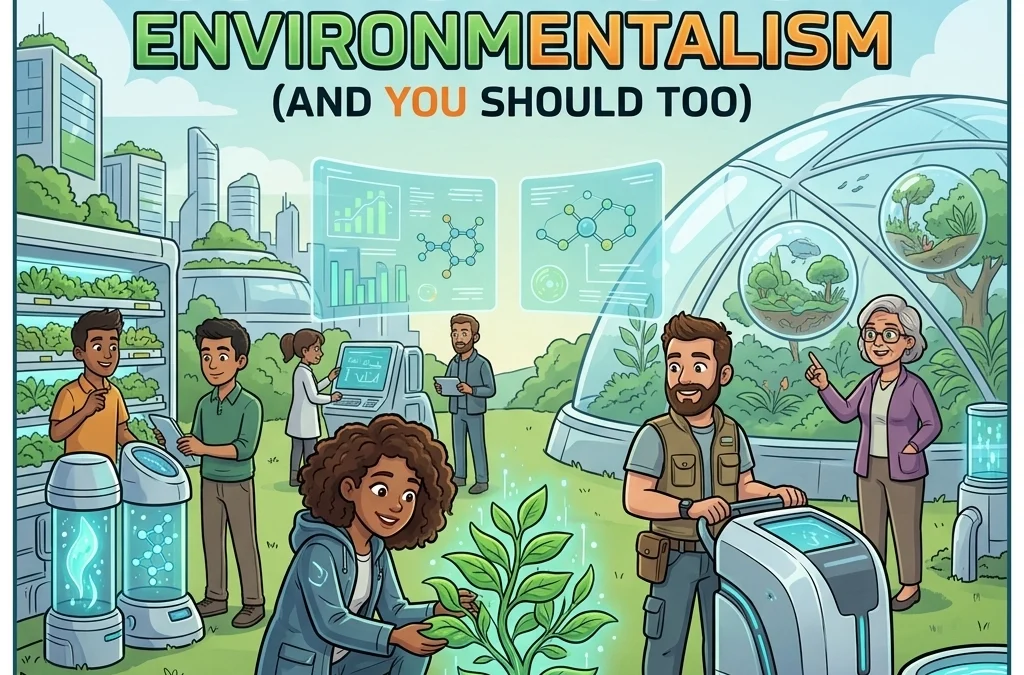
Alt-text: A diverse team of eco-adventurers standing in front of a futuristic, high-tech research facility in a lush jungle.
It’s Not Dystopia; It’s "Protopia"
Remember a few years back when every sci-fi book was about the world ending? Grey skies, no water, everyone wearing rags? Yeah, we’re over that.
In 2026, we’re seeing the rise of "Protopian" fiction. It’s not a perfect utopia, and it’s not a depressing dystopia. It’s about becoming. It’s about the struggle to make things better, one mission at a time. Science fiction environmentalism gives us a "safe sandbox" to test out ideas. How would a world powered by Red Mercury actually look? What happens when ancient technology meets modern threats?
By gaming out these scenarios in a story, we’re actually training our brains to think about solutions in the real world. If you're feeling a bit of that 2026 climate anxiety, jumping into a story where heroes are actually doing something about it is the best medicine.
Let’s Talk Tech: The Mystery of Red Mercury
One of the reasons sci-fi environmentalism is so addictive is the gear. We aren't just talking about solar panels and recycling bins. We’re talking about high-stakes, edge-of-your-seat technology.
Take Red Mercury, for example. It’s the kind of tech that could change everything: or destroy it. When we write about these "forbidden" or "lost" technologies, we’re exploring the double-edged sword of human innovation. How do we protect the planet while using the very tools that might threaten it? It’s a tension that keeps you turning pages until 2 AM.

Alt-text: A glowing vial of Red Mercury sitting on a high-tech console, surrounded by ancient stone ruins.
Character Spotlight: The Heart of the Mission
A genre is only as good as the people living in it. In The Rainsavers, we don't have "superheroes" in the traditional sense. We have people with extraordinary skills and even more extraordinary wills.
- Primal: Represents the raw, unyielding force of nature. He’s not here to play nice; he’s here to protect the balance.
- Mortalis: A reminder of our own vulnerabilities and the stakes we’re playing for.
When you read about characters like these, environmentalism stops being a "cause" and starts being a personality. It’s about identity. You can meet the whole gang over at our characters page.
Why You Should Care (Even if You’re Not a "Greenie")
You don't have to be someone who hugs trees to love this genre. At its core, science fiction environmentalism is about adventure.
Think about it: the most dangerous, unexplored, and mysterious places on Earth are the ones we’re trying to save. Deep oceans, hidden jungles, and ancient ruins tucked away in the mountains. This is where the villains hide, and it’s where the heroes find the keys to our survival.
Whether it's ancient technology vs. modern threats or the thrill of a high-speed chase through a vertical forest, the environment provides the ultimate obstacle course. It’s the ultimate villain motivation, too. Why destroy the world when you can control its most precious resources?

Alt-text: A high-speed chase scene featuring eco-heroes on futuristic electric bikes through a dense, glowing forest.
The 2026 Perspective: It’s Happening Now
We’re living in the future. The gadgets we imagined a decade ago are in our pockets. The environmental challenges we feared are on our doorsteps. Science fiction environmentalism is the bridge between our current reality and the future we want to build.
It’s about more than just "saving the planet." It’s about Adventure, Mystery, and Discovery. It’s about finding out what we’re really made of when the stakes are literally the ground beneath our feet.
Join the Adventure
If you’re tired of the same old hero stories and you’re ready for something that feels relevant, exciting, and just a little bit dangerous, you’re in the right place. The Rainsavers isn't just a book series; it’s an invitation to see the world differently.
We’ve got a lot going on this year, from our TV commercial to some pretty epic giveaways. If you think you’ve got what it takes to join the team, keep an eye on our Down the Rabbit Hole contest.
Quick Tips for Your Next Read:
- Look for "Team" dynamics: they’re more realistic and fun!
- Keep an eye out for "Red Mercury" and other speculative tech.
- Don't be afraid of the "Eco" label: it just means the stakes are higher!
So, what do you think? Is science fiction environmentalism just a phase, or is it the future of storytelling? (I think you know where I stand!)
Catch you in the next chapter,
Steven G. Samuels
CEO, The Rainsavers
Ready to dive in?
Check out our full collection of eco-adventures and find your next favorite hero.
Explore The Rainsavers Shop
Learn More About the Mission
