Meta Description: Watch how The Rainsavers villains evolve from corporate bosses to world-ending threats. We track the progression from Bossman to Mortalis in this eco-adventure series.

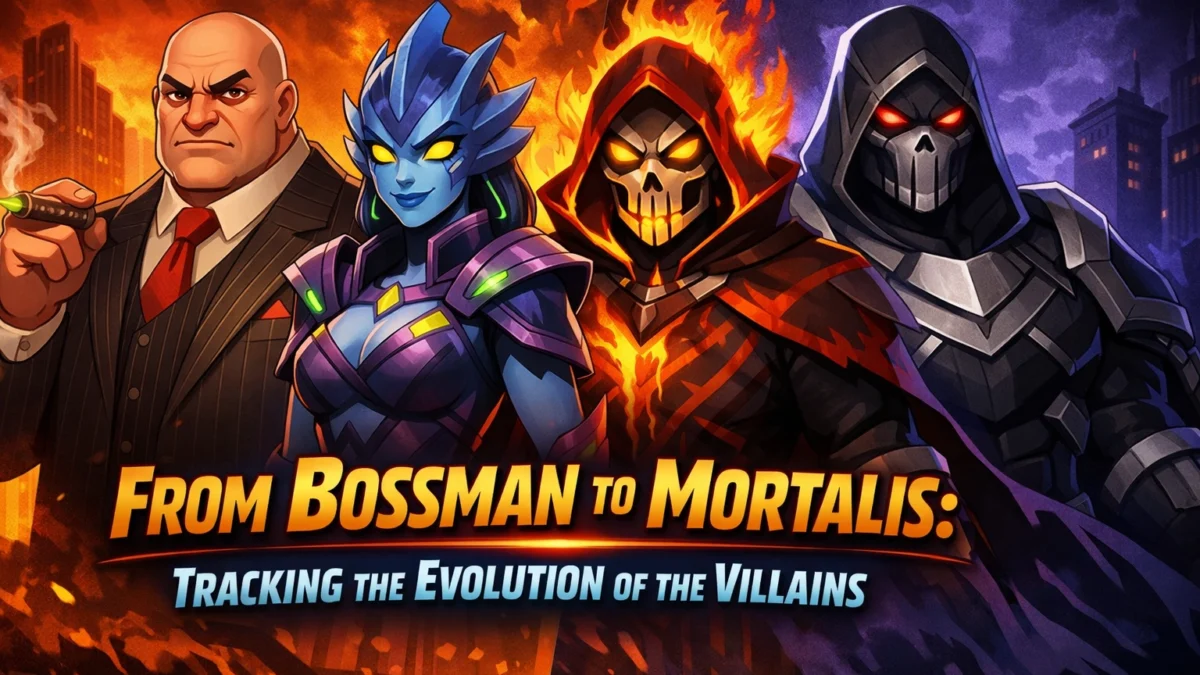
Look, we need to talk about how villains in The Rainsavers series went from "annoying guy in a suit" to "actual existential nightmare fuel" real quick.
If you've been reading along, you know what I'm talking about. If you haven't? Buckle up, because this villain escalation hits different.
Book One: Meet Bossman (Threat Level: Irritating)
Remember when the biggest problem was just… a guy? A corporate dude with bad intentions and worse fashion sense?
Bossman starts as your classic obstructive antagonist. He's blocking environmental initiatives, he's got political connections, and he thinks profit margins are more important than, you know, the planet not dying. Standard villain stuff for 2026, honestly.
What makes him dangerous: Money, influence, and the ability to make bureaucracy even MORE annoying than it already is.
What makes him NOT that scary: He's still human. Still bound by laws (mostly). Still defeatable through normal means.
The Rainsavers can handle this. It's frustrating, but manageable. This is like… tutorial mode villainy.

The Mid-Series Shift: Things Get Weird
Here's where the series does something interesting.
Instead of just making the next villain "Bossman but with MORE money," the stakes shift entirely. We're not just fighting corporate greed anymore. We're fighting something that corporate greed unleashed.
The environmental damage isn't just background flavor, it's actively waking up something that should've stayed asleep. Ancient things. Angry things. Things that have been waiting a LONG time to have their moment.
This is the narrative sweet spot where eco-fiction stops being preachy and starts being genuinely unsettling.
Enter: The Transitional Threats
Before we get to Mortalis (and oh boy, we'll get there), there's this whole middle section where the villains are in this weird limbo state. They're not entirely human anymore, but they're not fully… whatever Mortalis is.
Think of them as the "oh crap, we made a huge mistake" phase of villain evolution.
Characteristics:
- Enhanced abilities nobody asked for
- Motivations that shifted from greed to survival to revenge
- A growing awareness that they're in over their heads
- Still clinging to human reasoning while becoming distinctly inhuman
It's actually kind of tragic? Like, some of these antagonists started as regular people who made bad choices and got transformed into something monstrous. The Rainsavers series doesn't let anyone off easy, not the heroes, not the villains, and definitely not the readers.

Mortalis: When "Final Boss" Actually Means Something
Okay. Deep breath. Let's talk about Mortalis.
If Bossman is a Tuesday afternoon problem, Mortalis is an extinction-level event with a personality.
What we know:
- Not exactly human (maybe never was?)
- Directly tied to the environmental catastrophes plaguing the series
- Views humanity as the actual villain (which… fair?)
- Has abilities that make previous threats look like minor inconveniences
- Cannot be reasoned with using human logic
Mortalis represents the ultimate consequence of environmental destruction given form and purpose. It's like Mother Nature said "you know what, I'm done being subtle" and created a walking apocalypse.
The name itself, "Mortalis", is doing a lot of heavy lifting here. Mortality. The mortal realm. Death made manifest. Whatever creative workshop came up with this villain understood the assignment.
Why This Evolution Works (And Why It Matters in 2026)
Here's the thing: villain escalation can go wrong SO easily.
We've all read series where each villain is just "previous villain but BIGGER" until you're fighting literal gods by book three and nothing means anything anymore. (Looking at you, approximately 47% of superhero franchises.)
The Rainsavers avoids this trap by making the escalation meaningful.
Bossman represents human corruption and greed. The middle-tier threats represent the consequences of that greed. Mortalis represents the end result if nothing changes, nature itself rising up to eliminate the problem (us).
Each villain tier isn't just stronger; they're a different kind of problem requiring a different kind of solution. You can't defeat Mortalis the same way you dealt with Bossman. The rules changed. The game changed. The Rainsavers themselves have to change.

The Real Genius Move: Making Villains Inevitable
What makes this villain progression genuinely smart is how inevitable it all feels.
Bossman wasn't some evil mastermind plotting to unleash an ancient apocalypse entity. He was just a greedy guy making profitable decisions. But those decisions had consequences. And those consequences had consequences. And eventually, you get Mortalis.
The series is basically saying: "Hey, you know all those small bad decisions we make about the environment? Yeah, they add up. And eventually, they add up to something that wants to kill us all."
Subtle? No. Effective? Absolutely.
It's eco-fiction that earns its premise instead of just lecturing about it.
What This Means for Readers
If you're jumping into The Rainsavers expecting a straightforward adventure series, heads up: you're getting that, but you're also getting an escalating nightmare where the villains keep getting weirder and more terrifying.
And honestly? In 2026, that tracks. We need stories that acknowledge things can get worse, and then show characters fighting anyway.
The progression from Bossman to Mortalis is basically a crash course in "how bad things can get if nobody does anything" followed immediately by "but here's why you still fight."
The Takeaway
Villain evolution in The Rainsavers isn't just about power scaling, it's about showing the natural (or unnatural) consequences of humanity's worst impulses.
Bossman is the symptom. The transitional threats are the infection spreading. Mortalis is the fever that might kill the patient.
And The Rainsavers? They're the antibodies that refuse to quit.
If you haven't started the series yet, just know: it starts with corporate espionage and ends with… well, you'll see. The journey from "annoying businessman" to "literal force of nature trying to end humanity" is wild, unsettling, and absolutely worth the read.
Ready to see where it all begins? Read Book One now and watch the villain evolution unfold from page one.
Trust me: by the time you get to Mortalis, Bossman will seem almost quaint in comparison.
Almost.
