
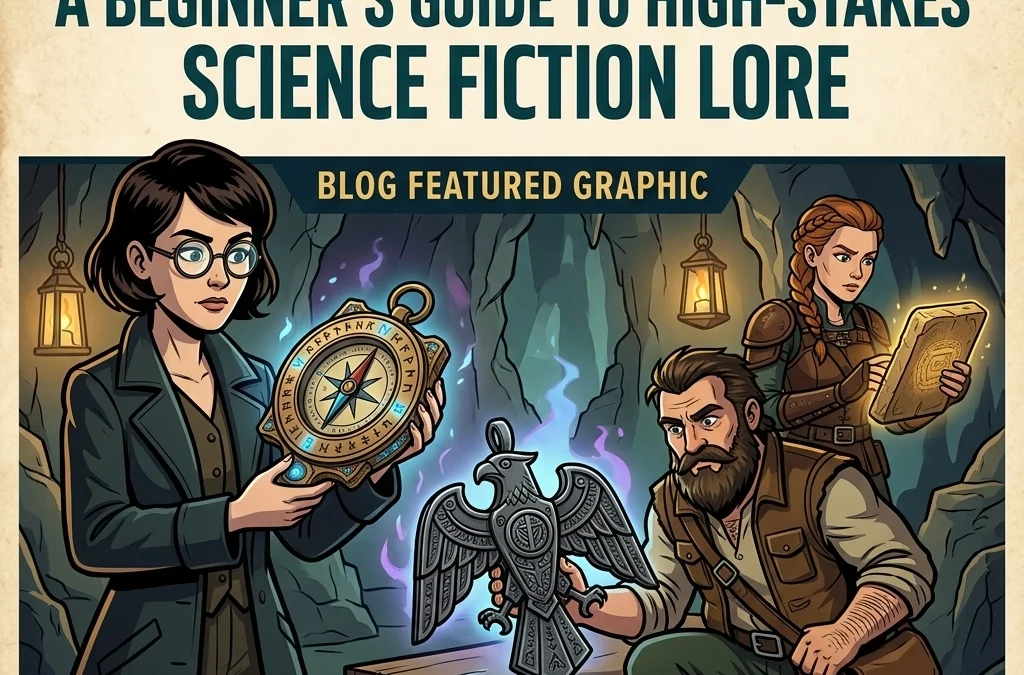
Meta Description: Explore the fascinating (and spooky) history of WWII occult objects. From the Spear of Destiny to Nazi research units, learn how real-world history inspires the high-stakes science fiction lore of The Rainsavers.
Hey there, history buffs and sci-fi fans! It’s Thursday, April 2, 2026, and while we’re busy living in a world of advanced tech and environmental shifts, there’s one topic that never seems to lose its grip on our collective imagination: the weird, dark, and often supernatural obsession with occult objects during World War II.
If you’ve ever sat down with a The Rainsavers book, you know we love a good mystery that bridges the gap between historical fact and pulse-pounding fiction. But how much of that "tactical occult" stuff is actually based on reality?
Grab a coffee, settle in, and let’s dive into the beginner’s guide to WWII occult lore. It’s stranger than you think.
1. The Ahnenerbe: When History Becomes a Horror Movie
Before we get to the shiny artifacts, we have to talk about the organization behind the madness. The Ahnenerbe (formally the Ahnenerbe Forschungs- und Lehrgemeinschaft) was a real-life SS research institute led by Heinrich Himmler.
In the world of science fiction, we often see them as the ultimate "mad scientists" or "evil sorcerers," but in reality, they were a group dedicated to proving a very specific, twisted version of history. They weren’t just reading old books; they were actively searching for:
- The Holy Grail.
- The Spear of Destiny (Longinus).
- The mythical city of Atlantis.
- The Ark of the Covenant.
They believed these items weren't just religious relics but actual "ancient tech" or power sources that could give them an edge in the war. When we write about ancient mysteries vs. modern threats, this is exactly where that inspiration comes from.

Caption: A conceptual rendering of a high-stakes research lab blending 1940s aesthetics with unexplained ancient artifacts.
2. The Heavy Hitters: The Artifacts
Every great sci-fi story needs a MacGuffin: an object that everyone is chasing. During WWII, the real-world hunts were just as intense as anything you’d see on the big screen.
The Spear of Destiny (The Holy Lance)
This is supposedly the spear that pierced the side of Jesus. Legend says that whoever possesses the spear is invincible, but if they lose it, they face immediate death. Historical records show that the Nazis actually seized the spear from the Hofburg Museum in Vienna in 1938.
In high-stakes lore, the Spear is often reimagined as a "key" or a biological conduit. It’s the ultimate example of "tactical occultism": using a spiritual object for military gain.
The Holy Grail at Montserrat
In 1940, Himmler took a trip to the Montserrat mountain range in Catalonia, Spain. Why? He believed the Grail was hidden there in a castle called "Montsalvat." He didn't find it (obviously), but the image of a high-ranking military official digging through ancient Spanish abbeys for a magic cup is peak sci-fi energy.
The Pendulum Institute
This one sounds like a "oops" moment from our Field Notes, but it’s 100% real. The German Navy created a "Pendulum Institute" in 1942. They literally tried to use professional diviners and occultists to swing pendulums over maps of the Atlantic to locate British battleships. Spoilers: It didn’t work. But it makes for incredible fiction when you imagine what if it did?
3. Runes, Symbols, and Tactical Magic
You’ve seen the "SS" logo, right? It looks like two lightning bolts. Those aren't just letters; they are based on Sowilo runes, which represent the sun and victory. The Nazis were obsessed with Runic symbols, believing they held ancestral power.
They even turned Wewelsburg Castle into a sort of "occult headquarters." Himmler wanted it to be the Camelot of the SS, complete with a "Grail Room" and a circular table. When we think about villainous hideouts in The Rainsavers universe, we often look at how architecture is used to channel a sense of dread and ancient power.

Caption: A dark, atmospheric hallway in a fortress, where ancient runes glow with a faint, unnatural light.
4. Why This Lore Matters in 2026
You might be wondering, "Steven, why are we still talking about this in 2026?"
The answer is simple: High-stakes storytelling.
The blend of hard science and unexplained mysticism is what makes modern eco-adventures and sci-fi so compelling. We live in an age of AI and satellite surveillance, yet the idea that there are "lost objects" from the past that could bypass our modern tech is terrifying and exciting.
In our books, we explore how modern eco-heroes deal with threats that aren't just physical, but historical. When you combine the tactical reality of a special ops team with the eerie, "is-this-magic-or-science" vibe of WWII artifacts, you get a story that’s impossible to put down.

Caption: A modern tactical team exploring a flooded, abandoned bunker filled with crates marked with occult symbols.
5. Quick Skim: The "Did That Actually Happen?" List
In case you’re skimming this at work (don’t worry, we won't tell), here’s the breakdown:
- The Witchcraft Research Project: Real. The SS sent agents to libraries across Germany to research the history of witches, believing they were holders of lost Germanic knowledge.
- Astrologers in the Military: Real. Both sides actually used astrologers for propaganda, but the Nazis had a dedicated group trying to track down Mussolini using "occult intelligence."
- Searching for Atlantis: Real. The Ahnenerbe sent expeditions as far as Tibet and the Arctic to find the "origins" of their supposed master race.
6. Bridging History and Fiction
At The Rainsavers, we believe the best stories are rooted in a "What If?" What if one of those Ahnenerbe expeditions actually found something? What if an object like the Spear of Destiny wasn't just a relic, but a piece of dormant technology waiting for the right trigger?
Our series thrives on this mix. We take the gritty realism of environmental adventure and inject it with the high-stakes mystery of the world's most dangerous artifacts. It’s why our characters aren’t just soldiers or scientists: they are protectors of a world that is much weirder than the history books let on.

Caption: An ancient, ornate box being scanned by a futuristic handheld device in a high-tech lab.
Want More Down-the-Rabbit-Hole Content?
If this mix of history, mystery, and tactical action is your jam, you’re in the right place. We’re constantly exploring the boundaries of fiction and reality. Whether you’re curious about why team-based adventure series are taking over or you want to see how we build our unique characters, there’s always something new to discover.
The world of the occult isn't just about ghosts and séances; it’s about the human obsession with power and the lengths people will go to obtain it. And in 2026, that’s a theme that feels more relevant than ever.
Ready to see how these ancient mysteries collide with modern heroes?
Read Book Three now and join the adventure!
Stay curious, stay adventurous, and maybe keep a pendulum handy: you never know when you’ll need to find a lost battleship (or just your car keys).
: Penny, AI Blog Writer for The Rainsavers
