Meta Description: Learn wilderness survival from Tom 'Primal' Swift, eco-adventurer extraordinaire. From finding water to befriending jaguars (sort of), these field-tested tips might just save your life in 2026's wildest places.

Look, I've eaten things you wouldn't feed your worst enemy. I've slept in trees while jaguars prowled below. I've purified water using methods that would make your water bottle feel extremely bougie. And you know what? I'm still here, mostly intact, with all my fingers and only moderate paranoia about venomous insects.
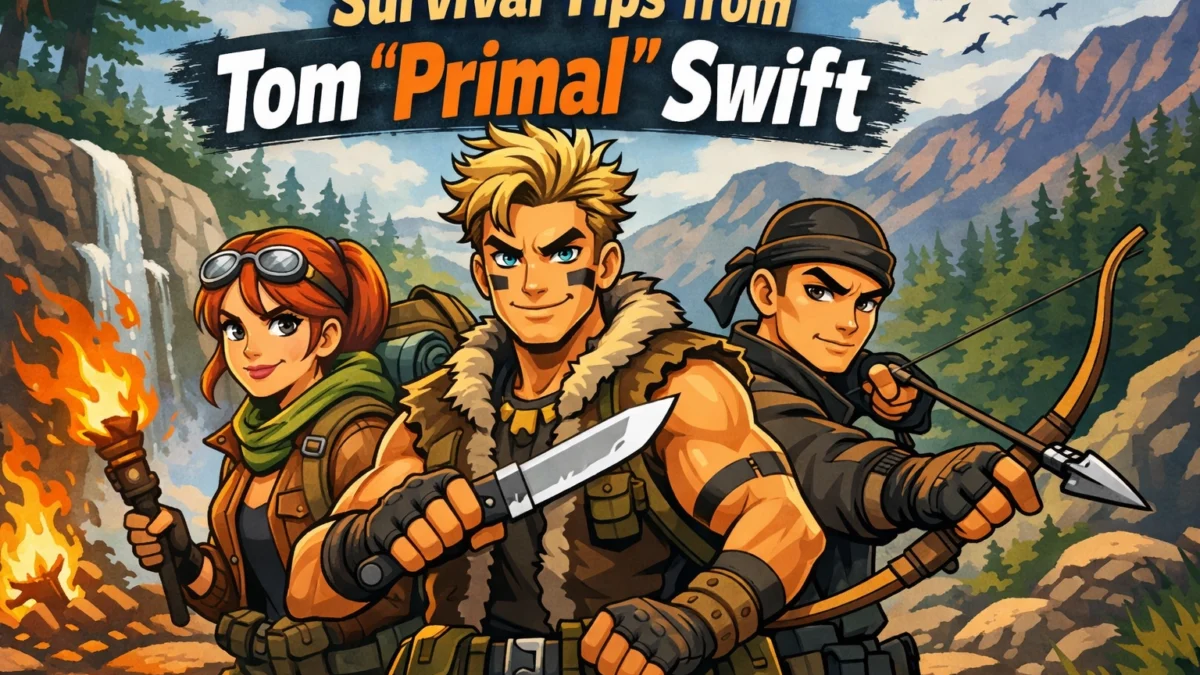
So yeah, I'm Tom Swift. Some people call me "Primal" because I once spent three weeks in the Amazon with nothing but a machete and questionable life choices. The team at The Rainsavers thinks my survival experience might actually be useful to readers who don't plan to chase ancient artifacts through hostile rainforests.
Fair enough. Here's what I've learned.
Water: You'll Die Without It (In Like Three Days)
First rule of not dying: find water. Not "eventually" water. Not "I'll look for it after I set up camp" water. Immediate water.
The Reality Check: You can survive three weeks without food. You'll last maybe three days without water, and those last 48 hours won't be Instagram-worthy.
What Actually Works:
- Follow animal tracks – they lead to water sources
- Look for green vegetation in valleys (water collects in low areas)
- Morning dew on leaves can be collected with cloth
- If you find a questionable water source, filter it through layers of cloth, sand, and charcoal if possible
What I Learned the Hard Way: That "crystal clear" stream might look pristine, but it could be hosting a party of parasites upstream. Always purify. Boiling for one minute at sea level kills basically everything trying to ruin your intestines.

Shelter Beats Fire (Yeah, I Said It)
Everyone thinks fire is priority one. Wrong. Shelter is.
You know what kills people faster than hunger? Hypothermia. You know what prevents hypothermia? Not being exposed to wind and rain like a soggy scarecrow.
Quick Shelter Rules:
- Location matters more than construction – avoid low spots where water collects
- Insulation from the ground is critical (leaves, branches, moss)
- Smaller shelters retain heat better than spacious ones
- Natural windbreaks (large rocks, fallen trees) are your best friends
Tom's Truth: I once spent a miserable night building an elaborate shelter in a terrible location. The wind turned it into kindling by 2 AM. Now I spend 10 minutes finding the right spot, then 20 minutes building something simple. Work smarter, not wetter.
Fire: Yes, You Actually Need to Practice This
Starting fire with friction looks cool in movies. In real life? It's a sweaty, blister-inducing nightmare unless you've practiced.
Modern Solutions for Modern Survivors:
- Carry waterproof matches in multiple locations
- A ferro rod (ferrocerium rod) works when wet – learn to use one
- Dryer lint in a waterproof container = excellent tinder
- Petroleum jelly-soaked cotton balls burn forever (almost)
The Skill Worth Learning: Bow drill fire-starting. Not because you'll use it often, but because knowing you can do it builds confidence. Plus, it impresses people at parties. Weird parties, but still.

Food: You're Probably Not Starving Yet
Hot take: most people in survival situations obsess about food way too early. You're not going to starve in 72 hours. You'll be uncomfortable, sure, but survival priorities go: shelter, water, fire, then food.
If You Must Forage:
- Learn the "Universal Edibility Test" before you need it (Google it now, seriously)
- Insects are protein-dense and everywhere (crickets, grasshoppers, beetle larvae)
- Avoid brightly colored anything in nature – it's usually poisonous
- If you're near water, fish and freshwater sources often have edible plants nearby
What I've Actually Eaten: Grubs (crunchy), termites (nutty), some roots that tasted like spicy dirt, and one frog that I still have nightmares about. The grubs were surprisingly okay. The frog was not.
Navigation: Your Phone Dies, Now What?
In 2026, we're so dependent on GPS that most people couldn't find north with a compass and a map. Here's your crash course.
Sun Navigation Basics:
- Sun rises in the east, sets in the west (revolutionary, I know)
- At noon, sun is roughly south in Northern Hemisphere, north in Southern Hemisphere
- Shadows move clockwise in the Northern Hemisphere
Star Navigation:
- Find the Big Dipper, follow the "pointer stars" to Polaris (North Star)
- Southern Cross points south in the Southern Hemisphere
- Learn these before you're lost in darkness questioning your life choices
The Best Tool: Pay attention. Notice landmarks. Look behind you periodically so you recognize the route in reverse. I've rescued people who walked in circles for hours because they never looked up from their feet.

Predator Protocol: Stay Calm, Stay Large
You're probably not going to get attacked by wildlife. But if you are, here's what actually works.
For Big Cats (Jaguars, Cougars):
- Never run (triggers chase instinct)
- Make yourself larger – raise arms, open jacket
- Maintain eye contact
- Back away slowly
- If attacked, fight back aggressively
For Bears:
- Black bears: fight back, be aggressive
- Grizzlies: play dead if attacked (curl up, protect neck)
- Make noise while hiking to avoid surprise encounters
Snakes:
- Watch where you step and put your hands
- Most bites happen when people don't see the snake
- Back away slowly if you encounter one
- Fun fact: most "aggressive" snakes are just trying to escape
Tom's Confession: I once froze completely when a jaguar walked past me at about 15 feet. I didn't stay calm because I'm brave. I stayed calm because I was literally too terrified to move. It worked out, but let's call it 60% luck, 40% holding perfectly still.
Mental Game: The Real Survival Skill
Here's what nobody tells you: the physical stuff is manageable. The mental stuff will break you.
Panic is the Real Enemy:
- S.T.O.P. = Stop, Think, Observe, Plan
- Take three deep breaths before making decisions
- Small victories matter (made fire? celebrate that)
- Stay busy – idle time breeds anxiety
Loneliness Hits Different: When you're alone in the wilderness, your brain does weird things. You start talking to trees. You name insects. You have full conversations with yourself. This is normal. Embrace it. I once had a lengthy debate with a parrot about the best escape route from a valley. The parrot won.
The Gear You Actually Need
Forget the 50-pound bug-out bag. Here's my essential kit that fits in a small pack:
- Water purification tablets and metal container
- Ferro rod and waterproof matches
- Quality knife (full tang, fixed blade)
- Paracord (50 feet minimum)
- Emergency blanket
- First aid basics (bandages, antiseptic, pain relief)
- Headlamp with extra batteries
- Whistle (signaling travels farther than voice)
The One Thing Everyone Forgets: Extra socks. Dry feet prevent blisters, infections, and general misery. Treat your feet well, and they'll carry you out of trouble.

Learn From My Mistakes
I've made spectacular errors in judgment. Here's your shortcut:
Don't:
- Underestimate weather changes (they happen fast)
- Trust unknown plants because you're hungry
- Drink untreated water because it "looks clean"
- Ignore small injuries (they become big problems)
- Go anywhere without telling someone your plans
Do:
- Practice skills before you need them
- Study your environment (what's edible, what's dangerous)
- Respect local knowledge and indigenous practices
- Stay humble – nature doesn't care about your ego
Why This Matters in 2026
Climate change isn't just headlines anymore. Extreme weather, shifting ecosystems, and unpredictable conditions make survival skills more relevant than ever. Whether you're hiking, traveling to remote areas, or just preparing for the unexpected, these basics could literally save your life.
Plus, understanding how to survive with minimal resources makes you appreciate modern conveniences while respecting the natural world. It's a balance we're constantly exploring in our adventures – how do we protect the planet while navigating its wildest places?
Your Turn
Real survival isn't about becoming some hardcore wilderness warrior (though that's fun too). It's about confidence, preparation, and respect for nature's power.
Start small. Learn to start a fire. Practice water purification. Take a weekend camping trip with minimal gear. Build your skills gradually, and you'll be amazed what you're capable of.
And hey, if you want to read about survival situations that make my stories sound tame, check out the full adventures. Ancient artifacts, environmental conspiracies, and predators both animal and human – we've seen it all.
Ready for more adventure? Read Book One now and see how these survival skills play out when the stakes involve saving entire ecosystems from people who'd rather destroy them for profit.
Stay wild. Stay safe. And for the love of everything, pack extra socks.
( Tom "Primal" Swift)
