
Meta Description: Discover how science fiction environmentalism is redefining the action-adventure genre in 2026. Explore The Rainsavers series and why "eco-fiction" is the high-stakes thrill ride you’ve been waiting for.
Let’s be honest: by June 2026, we’ve all seen enough "save the city" stories to last a lifetime. We get it. The giant lizard/robot/alien wants to knock over a skyscraper. But lately, have you noticed that the stakes in our favorite books are getting… greener?
Welcome to the era of Science Fiction Environmentalism. It’s not just a mouthful to say at parties; it’s the secret sauce that makes modern action-adventure series like The Rainsavers feel so much more intense than the generic pulp of the past.
When the threat isn't just a guy in a mask, but the literal collapse of the world’s lungs (the Amazon, in case you missed biology class), the adrenaline hits different. Let’s dive into why this shift is happening and how it’s turning readers into environmental warriors, one page-turner at a time.
1. High Stakes are Higher (Global Survival is the New Bank Robbery)
In the old days, a "high-stakes" thriller meant a detective trying to stop a bomb in a basement. In 2026, that feels small. We’re living in a world where we actually care about the planet, so when a villain like Bossman or Mortalis threatens the Spirit Tree, it’s personal.
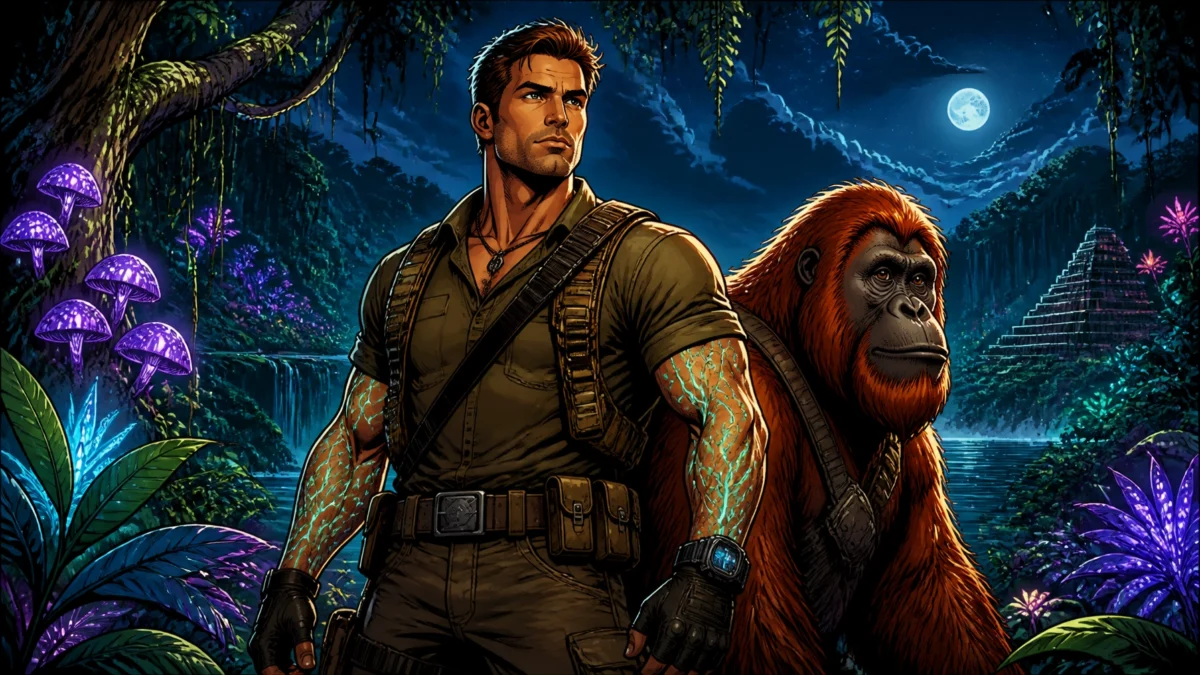
Science fiction environmentalism takes real-world anxieties, deforestation, climate shifts, resource wars, and cranks them up to eleven with sci-fi tech. When you read Primal Awakening, you aren't just rooting for Tom "Primal" Swift because he can bench-press a truck. You’re rooting for him because if he fails, the Amazon disappears. And if the Amazon disappears, we’re all toast.
The formula is simple:
- Real Threat: Deforestation.
- Sci-Fi Twist: A bioweapon designed to mutate rainforest life.
- Action Result: A global chase involving ancient German technology and high-speed jungle pursuits.
2. Red Mercury and the Tech of Tomorrow (Yesterday?)
One of the coolest parts of The Rainsavers series is the blend of "what-if" history and future tech. We’re talking about Red Mercury crystals.

In Tempest of the Crimson Skies, the hunt for these crystals takes the team all the way to Antarctica. This isn't just "magic rocks" territory; it’s a reflection of our own world’s desperate scramble for energy and resources. By using sci-fi elements like red mercury, the series mirrors the real-world tensions of mining and corporate greed without feeling like a lecture.
Plus, who doesn't love a sleek, retro-futuristic German airship hovering over the canopy? It’s classic adventure vibes updated for a generation that wants their tech to have a bit of mystery, and a lot of power.
3. [FIELD NOTES] Leaked Memo from Sunbyte’s Terminal
TO: Team Rainsaver
FROM: Sunbyte (System Admin / Master of Snark)
SUBJECT: Why we’re cooler than those guys in capesGuys, I just intercepted another "hero" transmission. They spent forty minutes arguing about their costumes. Costumes!
Meanwhile, Dr. Mubari is over here literal-mindedly decoding the DNA of the Spirit Tree while Alpha is making sure our gear doesn't melt in 100% humidity. We don't need spandex; we need bug spray and a better satellite uplink.
Also, if Primal asks one more time if he can "punch the climate change," please tell him that's not how it works. Actually, wait… don't. I want to see him try.
, S.
4. The Scientist as the Superhero
In science fiction environmentalism, the "brain" is just as important as the "brawn." Enter Dr. Mubari.

Action series are finally realizing that solving a global crisis requires more than just a right hook. Dr. Mubari represents the heart of the series: the idea that science, when used correctly, is the ultimate tool for preservation. Whether she’s analyzing the mutation-causing bioweapon in Black Rain or trying to understand the Spirit Tree’s connection to the Giza pyramids, she proves that the smartest person in the room is usually the one who saves the day.
This shift makes the team-based dynamic of The Rainsavers feel fresh. It’s not just one guy doing everything; it’s a specialist team, scientist, hacker, tracker, and, uh, super-strong hero with a very smart orangutan: working together.
5. The Mirror Image: When Environmentalism Goes Dark
Every great action series needs a great villain, and Mortalis (the artist formerly known as Leonard West) is a doozy.

What makes Mortalis so compelling? He’s a dark reflection of the very power the Rainsavers are trying to protect. By Shadow of the Moon, West has transformed into something post-human using Primal’s DNA and German tech.
Mortalis doesn't just want to destroy the world; he wants to control its power. He represents the ultimate corporate and individual greed: the kind that says, "If I can’t own the Spirit Tree, nobody can." This is the core conflict of science fiction environmentalism: the battle between those who want to protect the planet’s life force and those who see it as a battery to be drained.
6. The Spirit Tree: Nature is the Ultimate Player
The Spirit Tree isn't just a plot device; it’s a character. In Curse of the Spirit Tree and Wrath of Mortalis, we see the forest fight back.

This is the "Science Fiction" part of the environmentalism. By giving nature a voice (or a massive, glowing, energy-emitting presence), the story shifts from "humans saving the woods" to "humans realizing they are part of a much larger, much more powerful system."
It’s a humbling and epic way to end a six-book saga. It forces Primal and the gang to realize that the Earth doesn't belong to us: we belong to it. And if we don't start acting like it, the Spirit Tree might just decide it doesn't need us around anymore.
Why You Should Care in 2026
The world is changing, and our stories need to keep up. We don't just want to read about adventures; we want to read about adventures that matter.
Science fiction environmentalism offers:
- Urgency: The clock is ticking for the planet, not just the hero.
- Innovation: Exploring cool tech like red mercury and German-engineered wonders.
- Inspiration: Showing that a group of dedicated people (and one awesome primate) can actually make a difference.
If you’re tired of the same old "hero vs. villain" tropes and want something that feels like it was written for the world we actually live in, it’s time to join the mission.
Ready to jump into the Amazon? Grab the full series and see if you have what it takes to save the Spirit Tree.
