
Meta Description: Is the high-tech atmospheric terror of Black Rain more bone-chilling than a modern bioweapon? We’re breaking down the tech, the stakes, and which one wins your 2026 reading list.
Hey there, book lovers and tech junkies! Steven G. Samuels here, CEO of The Rainsavers. It’s Saturday, March 28, 2026, and I’ve been thinking a lot about what makes a villain truly terrifying in today’s fiction.
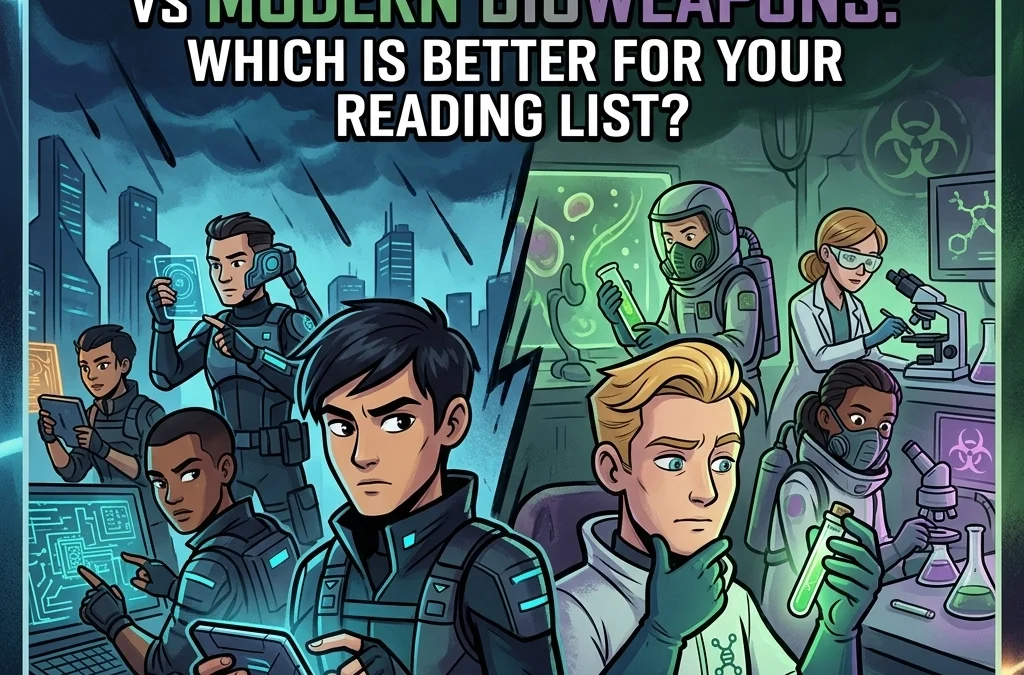
We’ve all seen the classic tropes. You’ve got your rogue scientists in lab coats holding a glowing vial of some nasty virus, and then you’ve got… well, what we like to play with here at The Rainsavers: Black Rain Technology.
If you’re staring at your 2026 TBR (To-Be-Read) pile and wondering whether you should go for a classic bio-thriller or dive into the high-tech, ancient-mystery-infused world of The Rainsavers, this breakdown is for you. We’re pitting modern bioweapons against the terrifying atmospheric tech known as Black Rain to see which one earns its place on your nightstand.
What Exactly Is "Black Rain" Tech?
First off, let’s clear the air. While the term "Black Rain" has historical roots in the aftermath of Hiroshima (which is a hauntingly powerful piece of literature in its own right), in the world of modern adventure fiction: specifically our series: it represents something even more insidious.
Black Rain Technology isn’t just a bomb. It’s atmospheric manipulation on a global scale. We’re talking about "seeding" the very clouds that give us life with nanotechnology, ancient chemicals, or repurposed industrial waste to create a localized: or global: extinction event.
When we look at ancient technology vs. modern threats, Black Rain is the bridge. It’s the ultimate "climate weapon." It’s not just a virus that moves from person to person; it’s the environment itself turning against you.

The Classic Challenger: Modern Bioweapons
We’ve all read the "super-virus" thrillers. They’re a staple of the genre for a reason. They feel personal. They feel fast. Modern bioweapons in fiction usually focus on:
- The Invisible Enemy: You can’t see a microbe until it’s too late.
- The Race Against Time: Finding a cure before the clock hits zero.
- Human Fragility: Showing how quickly society can crumble when the "biological hardware" fails.
But let’s be real: by 2026, we’ve all got a bit of "virus fatigue." After everything the world has been through, reading about a lab-leaked flu can sometimes feel a bit too close to home: or even a bit repetitive. If you’re struggling with climate anxiety, sometimes you want a threat that feels bigger, more cinematic, and: dare I say: a bit more "pulp adventure."
Head-to-Head: The Breakdown
So, which one makes for a better reading experience? Let’s look at the stats.
1. Scale of Destruction
- Bioweapons: Usually high, but geographically limited by how fast people travel. It’s a slow burn.
- Black Rain Tech: Instantaneous. One minute it’s a sunny day in the rainforest; the next, the sky turns charcoal and the rain starts dissolving the canopy. It’s a visual feast for the imagination.
2. The Villain Factor
- Bioweapons: Usually involve a disgruntled scientist or a shady government agency.
- Black Rain Tech: This is where it gets fun. Because this tech often involves ancient mysteries vs. modern threats, the villains are often more complex. They’re treasure hunters, eco-terrorists with a "save the planet by killing the people" mindset, or even ancient Nazi-tech enthusiasts.
3. The "Hero" Response
- Bioweapons: Usually requires a doctor or a lone scientist in a basement.
- Black Rain Tech: Requires a team. You need a hacker like Sunbyte to get into the satellite controls, a powerhouse like Primal to handle the physical muscle, and a guide like Jungle Dart to navigate the terrain. This is why team-based adventure series are taking over in 2026.

Why We Chose Black Rain for The Rainsavers
When we were developing the lore for The Rainsavers, we wanted a threat that felt "un-stoppable" but also visually spectacular. A bioweapon is a sneeze; Black Rain is a hurricane. It allows us to explore why eco-fiction will change the way you think about adventure.
In Book Two of our series, the stakes get dialed up to eleven. The team isn't just fighting a guy with a gun; they're fighting a weather system that has been hijacked by a madman. It forces our heroes to use their brains, their gadgets, and their connection to nature to survive.
The Verdict: Which Should You Read?
Choose Modern Bioweapons if:
- You like medical procedurals.
- You enjoy stories focused on isolation and small-scale tension.
- You want something grounded in current-day lab science.
Choose Black Rain Technology (The Rainsavers) if:
- You want high-octane, binge-worthy adventure.
- You love the "pulp" feel of Indiana Jones mixed with the tech of James Bond.
- You’re tired of lone-wolf heroes and want to see a diverse team (and a genius orangutan) save the world.
- You want to see how ancient mysteries and modern sci-fi create a totally unique villain motivation.
How to Get Started
If you’re leaning towards the tech-heavy, world-saving fun of Black Rain, there’s no better time to jump in. We’ve designed The Rainsavers to be the ultimate escape: a 6-book journey that takes you from the deepest jungles to the highest halls of power.
You can check out our full list of adventures at rainsavers.com. Whether you’re interested in how rainforest adventures change superhero origins or you just want to see some cool gadgets in action, we’ve got you covered.
A Quick Note on the 2026 Reading Landscape
The "Solo Hero" is out. The "Eco-Hero" is in. People are looking for stories where the planet isn't just a backdrop: it's a character. That’s exactly what we’re building here. We’re not just writing books; we’re creating a world that we hope studios will actually want to adapt because the visuals are just that cool.

Ready to dive in?
The world is changing, and so are our villains. Don't get stuck reading the same old bio-thrillers from the 90s. Level up your reading list with some high-tech atmospheric chaos.
Read Book Two now and see if The Rainsavers can stop the clouds before the Black Rain starts to fall!
Stay curious, stay adventurous, and keep saving those rains!
: Steven G. Samuels
CEO, The Rainsavers
P.S. If you missed our last update, don't forget to check out why serial fiction is actually booming in 2026. It's a great time to be a reader!