Meta Description: In a world where 2026 reality looks a lot like old sci-fi, does high-stakes fiction still matter? Steven G. Samuels dives into why The Rainsavers and eco-adventures are more relevant than ever.
Hey there, book lovers and adventure seekers! Steven G. Samuels here.
It’s Monday, April 6, 2026, and I was sitting in my office this morning looking at the news feed. Sometimes it feels like I’m reading a draft of one of our own books. We’ve got AI doing everything from brewing coffee to writing code, climate patterns that look like something out of a disaster flick, and tech thresholds being crossed every single day.
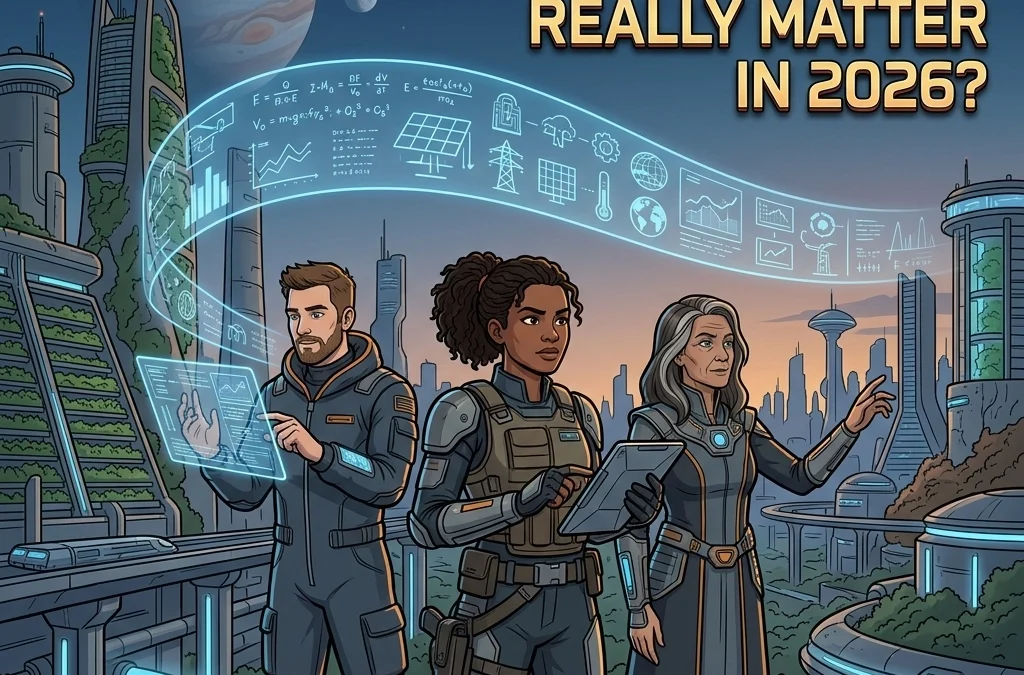
It got me thinking: Does high-stakes science fiction actually matter anymore?
When the "future" is already here, and the stakes in our real world are higher than ever, why do we still turn to stories about global conspiracies, ancient technology, and teams of heroes trying to save the planet?
The short answer? It matters more than it did five years ago. Let’s break down why.
1. The Gap Has Closed (And That’s Terrifyingly Fun)
Back in the early 2020s, sci-fi was often about "what if." What if the ice caps melted? What if we discovered a clean energy source that everyone wanted to kill for? What if a shadow organization was actually running the show?
In 2026, those "what ifs" have turned into "what now."
We aren't just speculating anymore; we’re living it. High-stakes fiction like The Rainsavers series acts as a mirror. It helps us process the rapid-fire changes we see in our daily lives. When we write about tech like Red Mercury: that mysterious, high-energy substance that everyone is hunting for: we aren't just making up magic rocks. We’re talking about the very real, very high-stakes race for energy independence and technological dominance that defines 2026.

2. We Need a Roadmap for the Tech Threshold
We’ve reached a point where technology is being deployed whether we’re ready for it or not. From neuro-links to advanced robotics, the line between human and machine is getting blurrier by the minute.
In our stories, we explore these boundaries through characters like Mortalis. When you’re dealing with high-stakes sci-fi, you get to ask the big questions:
- What happens when technology outpaces our ethics?
- Who gets to control the "off" switch?
- How do we stay human in a world dominated by code?
Check out more about our cast of characters over at https://rainsavers.com/characters to see how they grapple with these exact issues.
3. The Shift from "Solo Superhero" to "The Team"
Let’s be real for a second: the era of the lone wolf superhero is over. In 2026, we’ve realized that no one person: no matter how many gadgets or powers they have: can fix a global crisis. The problems we face are too big, too interconnected, and too fast-moving.
High-stakes sci-fi in 2026 is all about The Team.
That’s why The Rainsavers focuses on a diverse group of experts, warriors, and thinkers. Whether it’s Primal bringing the raw power or the strategic minds coordinating the effort, it takes a village to save the world. We actually took a deep dive into this shift recently: you can read why team-based adventure series are taking over.
The stakes matter because they force people who might not otherwise get along to work together. That’s a lesson we could all use right now, don't you think?

4. Environmental Protection Isn't Just a Theme: It's the Mission
If you’ve been following our journey at The Rainsavers, you know we’re obsessed with the planet. We don't just write "eco-fiction" as a sub-genre; it’s the heartbeat of everything we do.
In 2026, environmental stakes are the ultimate high stakes. We aren't fighting aliens from Mars (usually); we’re fighting to keep our own home livable. High-stakes sci-fi gives us a way to visualize the fight for our environment in a way that’s exciting and empowering rather than just depressing.
Instead of looking at a headline about rising sea levels and feeling helpless, readers can jump into an adventure where heroes are actively taking on the polluters and the shadow corporations. It’s about taking that "climate anxiety" and turning it into "climate action" (or at least some really good entertainment). If you're feeling that weight, check out our guide on how eco-fiction can change your perspective.
5. Spotlight: Red Mercury and Modern Threats
One of the coolest things about writing sci-fi in 2026 is playing with "fictional" tech that feels just an inch away from reality. Take Red Mercury. In our universe, it’s the catalyst for some pretty intense action.
Why does it matter? Because it represents the "Great Prize": the thing that could either save humanity or blow it sky-high. In 2026, we’re seeing similar races for quantum computing breakthroughs and fusion energy.
When you read a high-stakes thriller, you’re essentially playing out a "war game" of what happens when these powerful tools are unleashed. It’s a safe way to explore the "ancient technology vs. modern threats" dynamic that we love so much. You can read more about that specific conflict here.

6. The "Oops" Moments (Field Notes from the CEO)
I’ll let you in on a little secret. Writing high-stakes fiction in a world that is already high-stakes leads to some hilarious "oops" moments in the writers' room.
The other day, we were brainstorming a "futuristic" surveillance drone for Book 5. We spent three hours detailing how it would work, its battery life, its stealth capabilities… only to walk outside for lunch and see a delivery drone that did basically the exact same thing.
Note to self: The future is moving faster than my typing speed.
But that’s the beauty of it! We get to take what’s happening now and push it just 10% further. That 10% is where the magic happens. It’s where the adventure lives.
Why You Should Keep Reading
So, does it matter? Absolutely.
High-stakes sci-fi provides:
- Escapism with a Purpose: You get to fly away from reality, but you bring back tools to understand it better.
- A Sense of Agency: In our books, the good guys (and the morally grey guys) can actually make a difference.
- Community: Whether it’s through our Down the Rabbit Hole Contest or just chatting on the blog, these stories bring us together.
We aren't just publishing books; we’re building a world where the heroes actually care about the planet. And in 2026, that’s the most "high-stakes" thing you can do.

Join the Adventure
If you’re tired of the same old superhero tropes and want something that feels relevant to the world we’re living in right now, come join us. We’ve got six books of adrenaline-pumping, eco-conscious adventure waiting for you.
Whether you're interested in the tech, the characters, or just want to see some villains get what's coming to them, there's a seat for you at our table.
Ready to dive in?
Head over to our main site to explore the series, watch our TV commercial, or even grab some gear from the shop.
Let’s save the world together: one page at a time.
Stay adventurous,
Steven G. Samuels
CEO, The Rainsavers
Want to be part of the story?
Check out our latest missions and updates at https://rainsavers.com.
Don't forget to enter our current contests and let us know what you think of the 2026 landscape in our latest poll!
